June 2, 2026

bitcoin

Bitcoin’s price has captivated investors and analysts alike for years, with its volatility often making predictions a challenging task. This comprehensive overview explores the factors driving Bitcoin’s price fluctuations, from historical trends to the latest machine learning models. We’ll examine various approaches, including technical and fundamental analysis, to gain a deeper understanding of potential future price movements.

This exploration delves into the intricate world of Bitcoin price forecasting, considering market sentiment, regulatory changes, technological advancements, and correlations with other cryptocurrencies. Understanding these factors is crucial for anyone looking to navigate the complexities of this dynamic market.

Introduction to Bitcoin Price Forecasting

Bitcoin price prediction is a complex and fascinating field, driven by the inherent volatility and speculative nature of the cryptocurrency market. Understanding the historical trends and employing various forecasting methodologies are crucial for investors seeking to navigate this dynamic landscape. Numerous approaches are used, from analyzing historical price patterns to employing sophisticated machine learning algorithms.Historical fluctuations in Bitcoin’s value are substantial and often unpredictable.

Early adoption and rapid growth were followed by periods of significant price drops, illustrating the high-risk, high-reward nature of this asset. This volatility presents a significant challenge for accurate price forecasting, as factors influencing the market can change rapidly and unexpectedly.

Historical Trends and Fluctuations

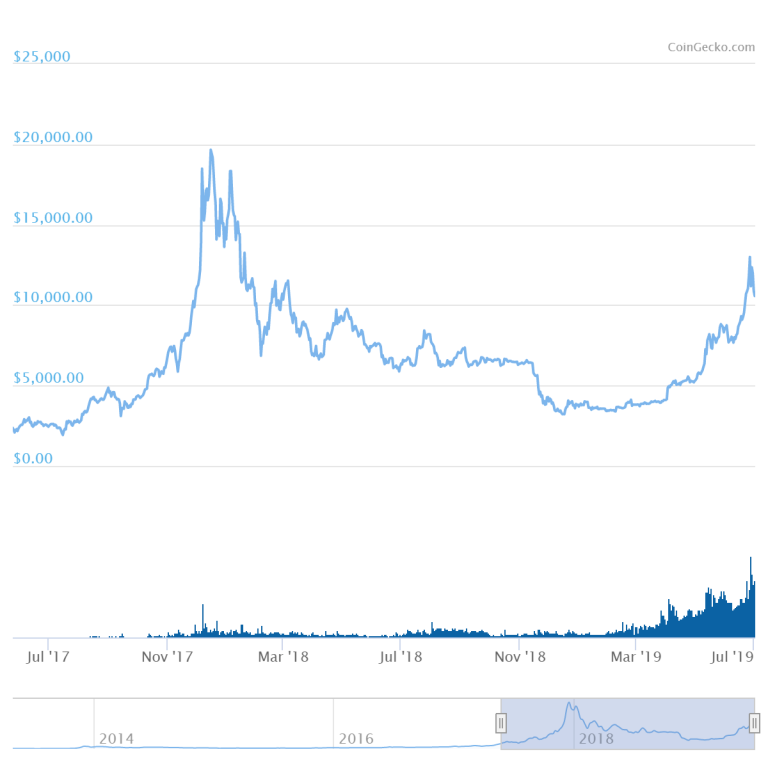
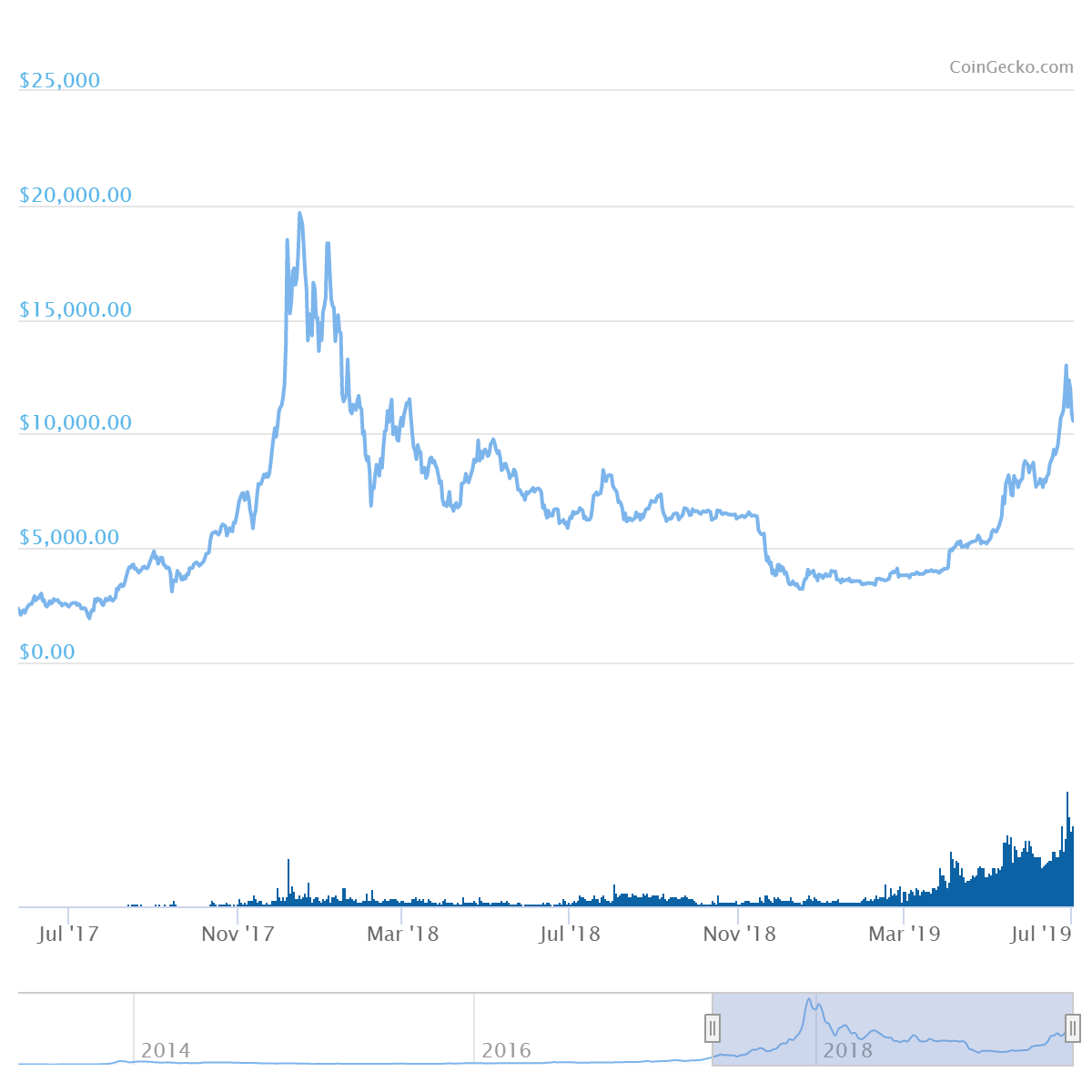
Bitcoin’s price has experienced dramatic fluctuations since its inception. Early adoption and rapid growth were followed by significant price corrections, demonstrating the inherent volatility of the market. These fluctuations are often influenced by factors such as regulatory changes, media coverage, and technological advancements. For example, the 2017 bull run was followed by a significant price decline, illustrating the unpredictable nature of market sentiment.

Methods and Approaches for Forecasting

Numerous methods and approaches are employed to forecast Bitcoin prices. These include fundamental analysis, technical analysis, and machine learning models. Each method has its own strengths and limitations, and successful forecasting often involves a combination of approaches.

Models Used for Bitcoin Price Prediction

Various models are used for Bitcoin price prediction, each with its own set of assumptions and limitations. These include time series models, such as ARIMA and GARCH, which analyze historical price patterns. Other models, like neural networks and support vector machines, leverage complex algorithms to identify patterns and predict future values. Sophisticated machine learning models are also employed, utilizing large datasets of historical market data and external factors to develop predictive models.

Common Bitcoin Price Forecasting Methodologies

Methodology Description Strengths Weaknesses
Technical Analysis Focuses on historical price charts and trading volume to identify patterns and predict future price movements. This involves studying indicators like moving averages, relative strength index (RSI), and support/resistance levels. Relatively straightforward to understand and implement. Provides insights into market sentiment and potential turning points. Can be subjective and prone to oversimplification. May not capture fundamental changes affecting the market. Often relies on past performance, which may not be indicative of future behavior.
Fundamental Analysis Evaluates Bitcoin’s underlying value based on factors like network activity, adoption rates, and regulatory environment. Provides a broader perspective beyond just price charts. Considers real-world factors that can impact Bitcoin’s value. Difficult to quantify and measure certain fundamental factors. Requires extensive research and analysis. External factors can be unpredictable.
Machine Learning Employs algorithms to identify complex patterns in historical data and predict future prices. Models like neural networks and support vector machines are used to identify patterns and predict future values. Can identify complex relationships between variables that traditional methods might miss. Can potentially improve accuracy compared to simpler models. Requires large datasets and significant computational resources. The models can be opaque and difficult to interpret, making it hard to understand the reasoning behind predictions. Overfitting to historical data is a risk.

Factors Influencing Bitcoin Price

Bitcoin’s price volatility stems from a complex interplay of various factors. Understanding these dynamics is crucial for anyone seeking to navigate the cryptocurrency market. From market sentiment to regulatory changes, numerous forces shape Bitcoin’s trajectory.Market forces, news cycles, and technological developments are just a few of the elements constantly influencing the cryptocurrency’s price. A thorough understanding of these factors is vital for assessing potential future price movements.

Market Sentiment and News Events

Market sentiment, encompassing investor confidence and public perception, significantly impacts Bitcoin’s price. Positive news, such as advancements in blockchain technology or favorable regulatory updates, often leads to price increases. Conversely, negative news, like regulatory uncertainty or security breaches, can trigger sharp declines. Public opinion and media coverage can dramatically influence investor decisions, amplifying price swings. For instance, a major news article about Bitcoin’s potential use in a new industry or a positive report on its adoption by a significant company can cause a surge in demand.

Conversely, news about regulatory scrutiny or concerns about its environmental impact can cause a downturn.

Regulatory Changes and Government Policies

Government policies and regulatory changes play a pivotal role in Bitcoin’s price trajectory. Clear and supportive regulations can foster confidence and attract institutional investors, potentially leading to price appreciation. Conversely, uncertainty or restrictive regulations can trigger a decline in value. For example, regulatory clarity in a key market can boost investor confidence, while strict regulations on mining or transactions can lead to price corrections.

Technological Advancements

Technological advancements, including innovations in blockchain technology, mining, and scalability, can affect Bitcoin’s future price. Improvements in transaction speed, security, or energy efficiency can enhance the cryptocurrency’s appeal, potentially driving up its price. Conversely, stagnating or less competitive technology compared to rivals can lead to price decline. For example, advancements in Lightning Network, designed to reduce transaction fees, could increase Bitcoin’s adoption and attract new users.

Conversely, if other cryptocurrencies develop more advanced and efficient solutions, Bitcoin might face a decline in market share.

Relationship with Other Cryptocurrencies

Bitcoin’s price is intertwined with the performance of other cryptocurrencies. Positive or negative trends in the broader cryptocurrency market often influence Bitcoin’s value. Correlation between Bitcoin and other major cryptocurrencies is a key factor to consider when forecasting.

Correlation Between Bitcoin and Other Major Cryptocurrencies

Cryptocurrency Correlation Explanation
Ethereum High Strong positive correlation due to Ethereum’s role as a major smart contract platform, often moving in tandem with Bitcoin’s overall market performance.
Binance Coin Moderate Often influenced by Bitcoin’s price trends, but with its own market forces and trading volume.
Dogecoin Low Often displays independent price movements, with its price driven by social media trends and hype, rather than directly mirroring Bitcoin’s performance.
Solana Moderate Shares some correlation due to its role as a decentralized platform, but its price is also influenced by its own unique innovations and adoption rate.

Technical Analysis for Bitcoin Price Prediction

Technical analysis is a crucial component of Bitcoin price forecasting. It focuses on historical price and volume data to identify patterns and trends that may signal future price movements. While not foolproof, technical analysis tools can offer valuable insights for investors seeking to make informed decisions.

Key Technical Indicators

Technical indicators are mathematical calculations derived from price and volume data. They provide a visual representation of market sentiment and potential price action. Understanding these indicators is vital for interpreting the nuances of the Bitcoin market.

  • Moving Averages: Moving averages smooth out price fluctuations, highlighting the overall trend. A simple moving average (SMA) calculates the average price over a specific period. An exponential moving average (EMA) gives more weight to recent prices, making it more responsive to short-term changes. For example, a rising 200-day moving average often suggests an uptrend.
  • Relative Strength Index (RSI): The RSI measures the magnitude of recent price changes to evaluate overbought or oversold conditions. A reading above 70 often indicates an asset is overbought, potentially signaling a price correction. Conversely, a reading below 30 might suggest an asset is oversold, potentially signaling a price rebound. For instance, a sudden surge in the RSI above 80 could suggest a potential pullback in the price of Bitcoin.

  • Moving Average Convergence Divergence (MACD): The MACD plots the difference between two moving averages, often the 12-day and 26-day EMAs. A bullish crossover (the 12-day EMA crossing above the 26-day EMA) can suggest an uptrend, while a bearish crossover might indicate a downtrend. For example, a MACD histogram transitioning from negative to positive values often coincides with a price surge.

Technical Analysis Patterns

Technical analysis also identifies patterns in price charts. These patterns can suggest potential price movements.

  • Head and Shoulders Pattern: This pattern is a bearish reversal pattern, often indicating a potential price decline. The pattern is characterized by three peaks, with the middle peak (the “head”) being the highest. A breakout below the neckline (the trough between the two shoulders) can signal a price drop.
  • Triangle Pattern: A triangle pattern represents a period of consolidation, where the price fluctuates within a defined range. A breakout from the triangle pattern can suggest a potential price movement in the direction of the breakout. A bullish breakout usually indicates a price increase.

Effectiveness of Technical Indicators

The effectiveness of technical indicators in predicting Bitcoin prices is variable and context-dependent.

Indicator Description Typical Use Strengths Weaknesses
Moving Averages Average price over a period Identifying trends, support/resistance Smooths price fluctuations, visualizes trend Lagging indicator, may not capture sudden price changes
RSI Measures momentum Identifying overbought/oversold conditions Useful for short-term trading signals Can be unreliable during strong trends, may produce false signals
MACD Difference between moving averages Identifying trend changes, momentum Can signal trend reversals Requires careful interpretation, may produce false signals

Fundamental Analysis for Bitcoin Price Prediction

Bitcoin Price Prediction: BTC/USD Reaches Overbought Region, Faces ...

Fundamental analysis for Bitcoin price prediction delves into the underlying factors that drive Bitcoin’s value, rather than focusing solely on price charts and patterns. This approach examines the project’s intrinsic worth, considering factors like adoption rates, network effects, and technological advancements. By assessing these fundamentals, analysts aim to predict future price movements based on the project’s overall health and potential.This approach recognizes that Bitcoin’s value isn’t solely determined by short-term market fluctuations but is influenced by its long-term prospects and real-world applications.

Understanding these fundamentals can provide a more comprehensive view of Bitcoin’s future price trajectory.

Factors Used in Fundamental Analysis of Bitcoin

Fundamental analysis for Bitcoin considers a range of factors beyond technical indicators. These factors reflect the project’s strength, utility, and overall market acceptance. Key considerations include the project’s technological advancements, adoption rate, community engagement, and potential future applications.

  • Technological Advancement: The innovation and development of Bitcoin’s underlying technology play a crucial role in determining its long-term value proposition. Improvements in transaction speed, scalability, and security directly impact the network’s overall efficiency and attract wider adoption.
  • Adoption Rate: The number of users and businesses adopting Bitcoin as a payment method or investment asset is a key indicator of its practical utility. Higher adoption rates signal growing market confidence and increased demand, potentially leading to higher prices.
  • Network Effects: Bitcoin’s value is amplified by network effects, meaning its value increases as more users join the network. This positive feedback loop can drive sustained growth and attract more users, creating a self-reinforcing cycle.
  • Community and Ecosystem: A strong and active community, along with a supportive ecosystem of developers, businesses, and investors, is essential for Bitcoin’s long-term success. This indicates confidence in the project and its future, potentially influencing investor sentiment and price.

Role of Adoption, Network Effects, and Technological Advancements

Adoption, network effects, and technological advancements are interconnected elements in Bitcoin’s fundamental analysis. Increased adoption signifies broader acceptance and practical applications. Network effects magnify this acceptance, driving further adoption and enhancing the network’s value. Technological advancements enhance the network’s functionality, scalability, and security, attracting more users and increasing its value proposition.

  • Adoption: The increasing adoption of Bitcoin as a payment method or investment asset demonstrates its practical value and broader market acceptance. Examples include businesses accepting Bitcoin payments and institutional investors incorporating Bitcoin into their portfolios.
  • Network Effects: The more users adopt Bitcoin, the more valuable the network becomes. This network effect creates a self-reinforcing cycle, attracting more users and businesses to the platform. The increasing number of transactions and participants strengthens the network’s overall functionality and value.
  • Technological Advancements: Technological improvements in Bitcoin’s underlying technology, such as increased transaction speeds and scalability solutions, enhance its usability and functionality. These advancements address existing challenges, attracting new users and businesses, which further strengthens the network.

Comparison Between Fundamental and Technical Analysis for Bitcoin

Fundamental analysis focuses on the underlying factors influencing Bitcoin’s value, while technical analysis analyzes price charts and patterns to predict future price movements. Fundamental analysis considers the project’s intrinsic worth, including adoption, technology, and community, while technical analysis relies on historical price data and patterns. A comprehensive approach combines both methods for a more nuanced understanding of Bitcoin’s price trajectory.

Factor Fundamental Analysis Technical Analysis
Focus Intrinsic value, project fundamentals Price charts, patterns, indicators
Data Source Adoption rates, technological developments, community engagement Historical price data, trading volume, market sentiment
Time Horizon Long-term Short-term to medium-term

Evaluating the Underlying Technology of Bitcoin

Evaluating Bitcoin’s underlying technology involves assessing its security, scalability, and functionality. Bitcoin’s security, based on cryptographic principles, should be examined for vulnerabilities. Scalability is crucial for handling increasing transaction volumes, which may require examining proposed solutions like Layer-2 scaling solutions. Bitcoin’s core functionality, including transaction processing and consensus mechanisms, needs to be evaluated for efficiency and robustness.

Evaluating the Community and Ecosystem of Bitcoin

Evaluating Bitcoin’s community and ecosystem involves assessing the size, activity, and engagement of the community, as well as the ecosystem’s overall health. The size and activity of the Bitcoin community, including developers, users, and investors, reflect the project’s popularity and support. The ecosystem’s development, including the availability of supporting services and tools, indicates the project’s overall strength and potential for growth.

Cryptocurrency Market Overview

The cryptocurrency market is a dynamic and complex ecosystem, constantly evolving with new entrants and fluctuating prices. Understanding this market’s overall health and the relationships between various cryptocurrencies is crucial for anyone attempting to forecast Bitcoin’s future performance. Bitcoin’s price isn’t an isolated phenomenon; it’s influenced by broader market trends and the performance of other major cryptocurrencies.The overall sentiment toward cryptocurrencies plays a significant role in price fluctuations.

Positive market sentiment, fueled by innovation and adoption, can drive prices upward. Conversely, negative sentiment, triggered by regulatory concerns or security breaches, can lead to significant price drops. The interplay between these factors makes forecasting Bitcoin’s price a challenging but fascinating endeavor.

Role of Other Major Cryptocurrencies

The success or failure of other major cryptocurrencies significantly impacts Bitcoin’s price. Strong performance in the altcoin market can boost investor confidence in the broader cryptocurrency space, potentially leading to higher demand for Bitcoin. Conversely, a downturn in altcoin prices might trigger a sell-off in Bitcoin as investors re-allocate assets. This interconnectedness is a key element of forecasting Bitcoin’s price.

Relationship Between Bitcoin and Altcoins

Bitcoin and other cryptocurrencies, often referred to as “altcoins,” exhibit a complex relationship. Often, a correlation exists between Bitcoin’s price and the overall altcoin market. When Bitcoin experiences a bull run, altcoins tend to follow suit, creating a positive feedback loop. However, bear markets in Bitcoin frequently lead to a downturn in the altcoin market, highlighting the interconnectedness of these assets.

Sometimes, innovative altcoins with strong utility can disrupt this relationship and attract significant investor attention, potentially influencing Bitcoin’s price in unexpected ways.

Market Sentiment Toward Cryptocurrencies

Market sentiment towards cryptocurrencies is a significant factor in price determination. Positive sentiment, often fueled by news about adoption by mainstream institutions, or advancements in blockchain technology, can lead to price increases. Conversely, negative sentiment, fueled by regulatory uncertainty or security concerns, often results in downward pressure on prices. The volatile nature of market sentiment makes accurate forecasting challenging.

Recent examples demonstrate how rapidly market sentiment can shift, leading to significant price swings in both directions.

Comparison of Bitcoin with Other Major Cryptocurrencies

Understanding the market capitalization and trading volume of Bitcoin compared to other major cryptocurrencies provides valuable insights. This comparison can help in understanding the relative strength and position of Bitcoin within the larger cryptocurrency ecosystem.

Cryptocurrency Market Cap (USD) Trading Volume (USD) Comparison with Bitcoin
Bitcoin Estimated value Estimated value Dominant market leader
Ethereum Estimated value Estimated value Significant competitor
Tether Estimated value Estimated value Stablecoin
Binance Coin Estimated value Estimated value Exchange token
Solana Estimated value Estimated value Emerging competitor

Note: Market capitalization and trading volume figures are subject to change. Data should be sourced from reputable market trackers for the most up-to-date information.

Machine Learning and AI in Bitcoin Price Forecasting

Bitcoin’s volatile price movements have attracted significant interest in employing machine learning (ML) and artificial intelligence (AI) techniques for forecasting. These advanced methods aim to identify patterns and trends in historical data to predict future price fluctuations. This approach leverages the power of algorithms to analyze complex datasets, potentially surpassing the limitations of traditional methods.

Application of Machine Learning Algorithms

Machine learning algorithms, particularly those based on regression and classification models, are increasingly applied to Bitcoin price forecasting. These models can identify intricate relationships within large datasets of historical Bitcoin prices, trading volume, market sentiment, and other relevant factors. By learning from past data, the models aim to build predictive models that can anticipate future price movements.

Regression Models

Regression models are widely used in forecasting tasks. They establish a relationship between a dependent variable (Bitcoin price) and one or more independent variables (e.g., market sentiment, trading volume). Linear regression, for instance, assumes a linear relationship between variables. More complex models like Support Vector Regression (SVR) can capture non-linear patterns. Examples of these include using daily Bitcoin price data along with trading volume and news sentiment scores to create a model that predicts the next day’s price.

Classification Models

Classification models categorize Bitcoin price movements into predefined classes (e.g., uptrend, downtrend, sideways movement). These models use algorithms like decision trees, random forests, or support vector machines to learn from historical data and assign price movements to specific categories. By identifying patterns associated with each category, these models can predict the likelihood of a particular price movement. For example, a model trained on past data could classify the current market environment as bullish or bearish, predicting the potential for a price increase or decrease.

Model Accuracy Comparison

The accuracy of different machine learning models in Bitcoin price forecasting varies. Factors like the quality and size of the dataset, the complexity of the model, and the selection of relevant features significantly impact the model’s performance. No single model consistently outperforms others in all cases. A crucial consideration is the model’s ability to generalize to unseen data, a key aspect of evaluating its predictive power.

Summary Table of Machine Learning Models

Model Description Accuracy Strengths Weaknesses
Linear Regression Predicts a continuous dependent variable (price) based on a linear relationship with independent variables. Moderate (often used as a baseline) Simplicity, interpretability, relatively fast training Assumes a linear relationship, may not capture complex patterns
Support Vector Regression (SVR) Predicts a continuous variable using support vectors to define a decision boundary in a high-dimensional space. Good (can capture non-linear relationships) Effective for non-linear relationships, relatively robust to outliers Computationally intensive, may require careful tuning of parameters
Decision Trees Predicts a categorical variable by creating a tree-like structure of decisions. Good (effective for handling categorical features) Easy to interpret, handle both numerical and categorical data Prone to overfitting, may not capture complex interactions
Random Forest Ensemble learning method combining multiple decision trees to improve prediction accuracy. High (often considered state-of-the-art) Robust to overfitting, good performance on various datasets Computationally intensive, less interpretable than individual trees

Bitcoin Price Forecasting Challenges and Limitations

Predicting Bitcoin’s price is a complex endeavor, fraught with inherent uncertainties and limitations. While various methods, from technical analysis to machine learning, attempt to forecast future movements, the unpredictable nature of the cryptocurrency market often renders these predictions inaccurate. Understanding these challenges is crucial for investors to approach Bitcoin price forecasting with a healthy dose of skepticism and a focus on risk management.The cryptocurrency market, in its relative youth, exhibits significantly higher volatility compared to traditional financial markets.

This inherent volatility makes it challenging to establish reliable patterns and trends that can be used for accurate price predictions. Bitcoin’s price has been known to fluctuate dramatically in short periods, often responding to unforeseen events or news.

Volatility and Unpredictability of the Cryptocurrency Market

The Bitcoin market is notoriously volatile, characterized by significant price swings in short periods. This unpredictable behavior stems from several factors, including speculation, regulatory uncertainty, and the lack of established market infrastructure. Sudden shifts in investor sentiment, news announcements, and technological advancements can trigger rapid price fluctuations, making long-term price predictions unreliable. For example, the 2017 Bitcoin bull run was followed by a significant price correction, demonstrating the unpredictable nature of the market.

Difficulties in Accurate Price Movement Predictions

Several factors contribute to the difficulties in accurately predicting future price movements. The decentralized nature of Bitcoin, coupled with the lack of a central authority, makes it challenging to analyze and interpret market forces. Furthermore, the limited historical data compared to established financial markets makes it difficult to develop accurate predictive models. External factors, like macroeconomic conditions and regulatory actions, can significantly impact Bitcoin’s price, making it even harder to anticipate future movements.

Role of External Factors in Influencing Bitcoin Price

External factors play a substantial role in influencing Bitcoin’s price, often exceeding the impact of internal market dynamics. News regarding regulatory changes, economic downturns, and geopolitical events can all have a significant impact on the cryptocurrency market. For instance, news concerning stricter regulations in certain jurisdictions can cause a downturn in the market, as investors react to the potential for decreased adoption.

Similarly, global economic uncertainties can lead to investors seeking alternative assets, influencing the price of Bitcoin.

Inherent Uncertainty in Bitcoin Price Predictions

The inherent uncertainty in Bitcoin price predictions arises from the lack of established market norms, the unpredictable nature of investor sentiment, and the influence of external factors. This inherent uncertainty makes it extremely difficult to create models that reliably predict future price movements. Any forecasting model, regardless of its complexity, must acknowledge the inherent limitations and volatility of the cryptocurrency market.

The unpredictable nature of Bitcoin’s price necessitates a cautious approach to investment strategies.

Conclusion

Bitcoin price forecasting remains a complex and dynamic endeavor. Numerous factors influence its trajectory, and no single method guarantees accurate predictions. This analysis has explored a multifaceted approach, examining the interplay of technical, fundamental, and market-wide dynamics. Understanding these complexities is crucial for navigating the inherent volatility of the cryptocurrency market.Predicting Bitcoin’s future price hinges on evaluating the interplay of various factors.

This involves acknowledging the inherent limitations and acknowledging the evolving nature of the market itself. While precise predictions are challenging, a comprehensive understanding of the underlying forces provides a more informed perspective on potential future trends.

Key Factors in Bitcoin Price Forecasting

The analysis reveals that a multitude of interconnected factors shape Bitcoin’s price. These encompass market sentiment, regulatory environments, technological advancements, and macroeconomic conditions. Each factor can significantly influence the price, often in unpredictable ways.

  • Market Sentiment: Public perception and investor confidence are critical elements. Positive sentiment can drive price increases, while negative sentiment can lead to downturns. Recent examples show how shifts in media coverage and social media discussions can quickly impact market trends.
  • Regulatory Landscape: Government policies and regulations play a pivotal role. Changes in legislation regarding cryptocurrencies can trigger substantial price fluctuations. The evolving regulatory landscape across different jurisdictions underscores the importance of keeping abreast of these developments.
  • Technological Advancements: Innovations in blockchain technology and associated applications directly impact Bitcoin’s utility and perceived value. New use cases and advancements in related technologies can significantly affect the cryptocurrency market.
  • Macroeconomic Conditions: Global economic factors, such as inflation, interest rates, and geopolitical events, significantly impact cryptocurrency markets. The correlation between Bitcoin and broader market trends is a recurring theme in the analysis.

Future Outlook for Bitcoin

The future trajectory of Bitcoin is uncertain, yet several factors suggest a potentially complex and volatile path. While some analysts predict continued growth, others point to potential corrections or even prolonged periods of consolidation.

Ultimately, the future of Bitcoin depends on several interacting factors. The adoption rate and its integration into mainstream finance will influence its long-term trajectory. Continued innovation in blockchain technology and applications will play a key role.

Last Word

In conclusion, predicting Bitcoin’s price remains a complex endeavor, fraught with inherent uncertainty. While various methods and models offer insights, the unpredictable nature of the cryptocurrency market demands a nuanced understanding of the factors at play. Ultimately, this analysis highlights the importance of a comprehensive approach that considers technical, fundamental, and market-based influences to assess potential future price trajectories.

The inherent volatility of the cryptocurrency market should be considered in any investment decision.

Expert Answers

What are the limitations of Bitcoin price forecasting?

Bitcoin’s price is notoriously volatile and unpredictable. External factors, such as regulatory changes and market sentiment, can significantly impact forecasts. The inherent uncertainty of the cryptocurrency market makes precise predictions challenging.

How does the correlation between Bitcoin and other cryptocurrencies affect the forecast?

Bitcoin’s price often moves in tandem with other major cryptocurrencies. Strong correlations can indicate market-wide trends, but divergence can also occur, impacting Bitcoin’s individual trajectory.

What is the role of machine learning in predicting Bitcoin prices?

Machine learning algorithms are increasingly used to analyze vast datasets and identify patterns in Bitcoin’s price movements. While these models can offer valuable insights, their accuracy remains a subject of ongoing debate.

What is the difference between fundamental and technical analysis for Bitcoin?

Fundamental analysis considers the underlying technology, community, and adoption of Bitcoin. Technical analysis, conversely, focuses on historical price patterns and indicators to predict future movements. Both methods provide valuable insights but often lead to differing conclusions.


Navigating the world of cryptocurrency can feel overwhelming, especially when considering where to buy Bitcoin in Australia. This comprehensive guide delves into the various platforms, dissecting their strengths and weaknesses, and leveraging Reddit discussions to provide insights into user experiences.

From understanding the fees and security measures to exploring the different purchase methods, we’ll equip you with the knowledge to make informed decisions. We’ll also cover the regulatory landscape in Australia and the factors influencing buyer choices.

Bitcoin Trading Platforms in Australia

Choosing a reputable Bitcoin trading platform in Australia is crucial for secure and profitable transactions. Navigating the diverse options available requires careful consideration of fees, security measures, and user experience. This overview details key aspects of several popular platforms, providing insights into their strengths and weaknesses to assist informed decision-making.

Reputable Australian Bitcoin Trading Platforms

Several platforms cater to Australian investors. Selecting a platform involves evaluating factors beyond just ease of use, including security protocols and fee structures. Each platform has its own strengths and weaknesses, impacting the overall trading experience.

Platform Name Fees Security User Interface Pros/Cons
CoinSpot Variable trading fees, typically low. A tiered structure with lower fees for higher volume traders. Deposits and withdrawals have associated costs. Utilizes advanced encryption and multi-factor authentication. Maintains robust security protocols to protect user funds and sensitive data. Regular security audits ensure compliance with industry standards. Intuitive and user-friendly interface, suitable for both beginners and experienced traders. Provides clear charts, order books, and transaction history. Mobile apps are available for easy access. Pros: Wide range of cryptocurrencies available, low fees for high volume users, intuitive interface, reputable platform. Cons: Fees can vary significantly, potentially higher for lower volume users, limited educational resources.
Binance Australia Binance offers a tiered fee structure, often reflecting trading volume. Fees can be competitive, but specific fees vary based on trading activity and asset. Deposit and withdrawal fees may apply. Binance employs robust security measures, including multi-factor authentication, cold storage, and encryption. Binance is known for its global reach and robust security infrastructure, a plus for many traders. The platform is highly functional, but the interface might be overwhelming for beginners. It provides advanced tools and options for experienced traders. Pros: Extensive range of cryptocurrencies and trading options, competitive fees, well-established global platform. Cons: Can be complex for new users, security concerns are occasionally raised by users globally, and regulatory compliance issues in Australia may arise.
Swyftx Generally low trading fees. Fees are usually transparent and clearly communicated. Transaction fees for deposits and withdrawals vary. Implements multiple layers of security, including cold storage and advanced encryption. Regular security audits ensure protection of user funds and data. The platform is known for its straightforward interface. It’s easy to navigate and use, making it suitable for new users. Pros: User-friendly interface, competitive fees, strong security measures. Cons: Fewer trading options compared to larger platforms, potential for limited market depth for certain cryptocurrencies.

Fee Structures and Commissions

Bitcoin trading platforms employ various fee structures. Trading fees often vary depending on factors like trading volume and the specific cryptocurrency traded. Deposit and withdrawal fees also apply and should be considered part of the overall cost. Understanding the fee structure is vital for assessing the true cost of trading on a particular platform.

Security Measures

Robust security is paramount when choosing a trading platform. Reputable platforms employ various security measures, including multi-factor authentication, encryption, and cold storage for cryptocurrency holdings. Regular security audits and compliance with industry standards are also important factors to consider. The security of user funds and personal data is a top priority for all legitimate trading platforms.

User Interface and Functionalities

User interfaces vary significantly among platforms. Some platforms are designed with beginners in mind, offering intuitive navigation and clear instructions. Others cater to experienced traders with advanced functionalities and tools. The ease of use, coupled with the availability of educational resources, significantly impacts the overall trading experience.

Reddit Discussion Analysis

Reddit provides a valuable forum for users to share their experiences and perspectives on various Bitcoin buying platforms. Analyzing these discussions offers insights into common recommendations, concerns, and the overall sentiment towards different services. This analysis will synthesize user feedback to offer a clearer picture of the strengths and weaknesses of each platform.Reddit threads dedicated to the “best place to buy Bitcoin in Australia” frequently highlight key aspects like fees, security, user experience, and available features.

The diverse range of opinions, often contrasting, offers a more comprehensive understanding of the nuances of each platform, allowing for a more informed decision-making process.

Common Recommendations and Concerns

Reddit users often express preference for platforms with competitive fees, secure transaction processes, and user-friendly interfaces. Concerns frequently voiced include platform reliability, security breaches, and the complexity of certain features.

  • Ease of Use: Many users prioritize platforms with intuitive interfaces and straightforward processes for purchasing Bitcoin. This includes clear navigation, readily available information, and a seamless checkout experience.
  • Fees: Transaction fees are a major consideration. Users actively seek platforms with low and transparent fees, emphasizing the importance of avoiding hidden charges or unexpected markups.
  • Security: Security is paramount. Users consistently highlight the need for robust security measures, including 2-factor authentication and secure storage of funds.
  • Customer Support: Reliable customer support is valued by users. Platforms with readily available and responsive support channels, such as live chat or email, are highly regarded.

Recurring Themes in User Comments

Several recurring themes emerge from the Reddit discussions. These patterns highlight specific aspects that users repeatedly address when discussing the various platforms.

  • Comparison of Fees: Users frequently compare transaction fees across different platforms, scrutinizing the cost associated with buying and selling Bitcoin.
  • Security Protocols: Security features and protocols implemented by each platform are often a significant factor, influencing user trust and confidence in the platform’s ability to protect their assets.
  • User Experience: Redditors often comment on the overall user experience, noting the ease or difficulty of navigating the platform’s interface and completing transactions.

Pros and Cons of Different Platforms (Based on Reddit Feedback)

The following table summarizes Reddit user sentiment towards various Bitcoin trading platforms in Australia, based on their feedback.

Platform Pros (Reddit Feedback) Cons (Reddit Feedback)
Platform A Competitive fees, user-friendly interface, robust security measures. Limited customer support options, some reported issues with transaction speed.
Platform B Excellent customer support, diverse investment options. Higher fees compared to some competitors, potentially less intuitive interface.
Platform C Wide range of payment options, secure transaction history. Limited educational resources, occasionally slow response times from support.
Platform D Wide range of payment options, easy account setup. Few negative reviews on Reddit, however, less user engagement observed compared to other platforms.

Factors Affecting Bitcoin Purchase Decisions

Deciding to buy Bitcoin in Australia, like any significant financial investment, involves careful consideration of various factors. Potential buyers need to navigate the complexities of the market, understand the risks, and weigh the potential rewards. This careful evaluation ensures informed decisions and helps manage potential pitfalls.

Key Influencing Factors

Several key factors play a crucial role in shaping a person’s decision to buy Bitcoin in Australia. These range from the inherent characteristics of the cryptocurrency itself to the practical considerations of acquiring and holding it. Understanding these elements is vital for responsible investment.

Importance of Research

Thorough research is fundamental in making informed investment decisions. Understanding Bitcoin’s volatile nature, its underlying technology, and its potential applications is crucial. Researching reputable sources, such as academic journals, financial news outlets, and expert opinions, helps assess Bitcoin’s potential. A deep dive into market trends and historical data is also essential for a well-rounded understanding. The more one knows about Bitcoin, the better they can make informed decisions.

Security and Fees

Security is paramount when dealing with cryptocurrency. A secure platform is essential to protect digital assets from theft or loss. Choosing a platform with robust security measures, such as two-factor authentication and encryption, is critical. Likewise, understanding transaction fees associated with buying and selling Bitcoin is essential. High fees can significantly impact returns, so comparing fees across different platforms is crucial.

Regulatory Compliance

Regulatory compliance is another vital factor. Understanding the Australian regulatory landscape surrounding cryptocurrency trading is important. Investors need to be aware of any relevant laws and regulations, including those related to taxation and anti-money laundering (AML) policies. A platform adhering to these regulations fosters trust and ensures a compliant trading environment.

User Reviews and Community Support

User reviews and community support provide valuable insights into the experience of others. Reading reviews from existing users helps evaluate the platform’s reliability, customer service, and overall user experience. Active community support can provide valuable insights and guidance for newcomers. The availability of community forums and support channels is a valuable indicator of a platform’s responsiveness and commitment to user needs.

Important Factors in Bitcoin Purchase Decisions

  • Research: Thorough investigation into Bitcoin’s characteristics, market trends, and potential applications.
  • Security: Robust security measures implemented by the chosen platform, including two-factor authentication and encryption.
  • Fees: Careful evaluation of transaction fees to minimize financial impact on investment returns.
  • Regulatory Compliance: Understanding and adherence to Australian regulations concerning cryptocurrency trading, including AML and tax policies.
  • User Reviews: Assessment of user experiences through reviews and feedback to gauge platform reliability and customer service.
  • Community Support: Evaluation of the platform’s community support channels to ensure responsiveness and guidance.

Buying Bitcoin

Bitcoin has gained significant traction as a digital asset, and understanding how to buy it securely is crucial for any prospective investor. This comprehensive guide details the process, highlighting essential steps and potential pitfalls to help you navigate the world of Bitcoin purchases in Australia.Buying Bitcoin involves several key steps, from account setup to transaction completion. Proper security measures are paramount to protect your funds and personal information throughout the process.

This guide will equip you with the knowledge to make informed decisions and execute transactions safely.

Account Setup and Verification

Setting up an account with a reputable Bitcoin exchange is the first step. This process typically involves providing personal information for verification purposes. Ensure the exchange you choose is licensed and regulated in Australia to maintain compliance and safety standards. Thorough verification is essential to comply with anti-money laundering (AML) and know-your-customer (KYC) regulations. This safeguards your funds and protects the platform from illicit activities.

Remember to only use trusted and verified platforms.

Selecting a Bitcoin Exchange

Numerous Bitcoin exchanges operate in Australia. Research and compare different platforms based on factors like fees, security measures, available payment methods, and user reviews. Look for exchanges with a strong reputation and positive user feedback. Ensure the platform you choose offers competitive fees and adheres to robust security protocols to minimize the risk of fraud.

Payment Methods for Bitcoin Purchases

Various payment methods are available for purchasing Bitcoin. The selection may vary based on the chosen exchange. Understanding these methods and their associated risks is crucial for a secure transaction.

Payment Method Description Pros Cons
Bank Transfer Transferring funds from your bank account directly to the exchange. Generally secure, often low fees. Slower transaction times compared to other methods.
Credit/Debit Card Using a credit or debit card for direct purchase. Fast transaction times. Potentially higher fees, potential for fraud risks.
Other Payment Options (e.g., Cryptocurrency, Prepaid Cards) Utilizing alternative payment options. May offer anonymity or faster transactions. May involve additional steps or verification processes, limited availability.

Transaction Completion

Once you’ve selected your payment method, follow the exchange’s instructions for completing the transaction. Double-check all details, including the amount and recipient address. Verify the Bitcoin address to ensure you’re sending to the correct account to avoid accidental loss of funds. Always verify the address and transaction details before finalizing the purchase.

Security Best Practices

Implementing strong security measures is vital to protect your Bitcoin investments. Choose strong and unique passwords, enable two-factor authentication (2FA) whenever possible, and be cautious of suspicious emails or messages. Never share your login credentials with anyone. Regularly review your account activity for any unauthorized transactions. Keep your software updated to patch any vulnerabilities.

Strong passwords and 2FA are fundamental security measures.

Common Pitfalls to Avoid

Be wary of fraudulent exchanges or scams. Always research the exchange’s reputation and security measures before making a purchase. Never share your personal information with unknown parties. Be cautious of unsolicited offers or promotions. Don’t trust anyone promising exceptionally high returns on your investments.

Thoroughly verify the legitimacy of any offer before committing.

Security Considerations for Bitcoin Purchases

Protecting your Bitcoin holdings is paramount, especially when making purchases online. Australian regulations, while not specifically targeting Bitcoin, emphasize responsible financial practices, which includes safeguarding your digital assets. Understanding the risks and taking proactive steps to mitigate them are crucial for a secure Bitcoin buying experience.Online transactions, regardless of the asset, inherently carry risks. These risks are amplified when dealing with cryptocurrencies due to the decentralized nature of the system.

Knowing how to identify and address these risks is essential for safeguarding your investment. Thorough research and a cautious approach are vital in this digital marketplace.

Importance of Strong Passwords

Robust passwords are the first line of defense against unauthorized access. Creating strong passwords involves using a combination of uppercase and lowercase letters, numbers, and symbols. Avoid using easily guessable information like birthdays or names. Employ a password manager to securely store complex passwords, minimizing the risk of compromised accounts.

Significance of Two-Factor Authentication (2FA)

Enabling 2FA adds an extra layer of security to your accounts. This method requires a second verification step, typically via a code sent to a mobile device, after entering your password. This significantly reduces the risk of unauthorized access, even if a password is compromised. Always enable 2FA whenever possible, particularly on platforms where you store or manage Bitcoin.

Secure Wallets

Choosing secure wallets is crucial for safeguarding your Bitcoin. Hardware wallets, offering offline storage, provide the highest level of security. Software wallets, while convenient, should be carefully chosen and stored on a secure device. Never store your private keys online. Understanding the different types of wallets and their security implications is essential for a sound investment strategy.

Verifying Platform Legitimacy

Carefully scrutinize any platform offering Bitcoin buying services. Look for reputable platforms with positive reviews and verifiable regulatory compliance. Check for clear terms and conditions and an established track record of trustworthy operations. Thorough research into the platform’s history, customer service policies, and security protocols is vital before committing to any transaction.

Verification of Transactions

Scrutinize each transaction meticulously. Double-check the recipient address and the amount before confirming any transfer. Any discrepancies or unusual requests should be investigated thoroughly. Always err on the side of caution and seek clarification if something appears suspicious.

Key Security Tips for Bitcoin Purchases:

  • Use strong, unique passwords for all accounts.
  • Enable two-factor authentication (2FA) whenever possible.
  • Employ secure wallets, preferably hardware wallets.
  • Verify the legitimacy of Bitcoin platforms before using them.
  • Thoroughly review every transaction before confirming.

Comparison of Bitcoin Purchase Methods

FRANCHISE LEADERSHIP

Choosing the right method for buying Bitcoin is crucial for a smooth and secure transaction. Different platforms offer varying levels of convenience, security, and cost, impacting the overall experience. Understanding these distinctions allows users to select the best approach for their individual needs and risk tolerance.

Direct Exchange Platforms

Direct exchange platforms provide a straightforward interface for purchasing Bitcoin directly. Users typically interact with a dedicated exchange platform that facilitates the purchase.

Method Advantages Disadvantages Speed Cost Security
Direct Exchange (e.g., Coinbase, Kraken) User-friendly interfaces, often with detailed educational resources, diverse payment options (e.g., bank transfer, credit/debit card). Potentially higher fees compared to peer-to-peer (P2P) methods, regulatory compliance can influence transaction speed, user experience might be slightly less personal. Generally, quick, especially with bank transfers. Fees can vary, but generally transparent. High, utilizing industry-standard security measures (multi-factor authentication, secure servers, etc.)

Peer-to-Peer (P2P) Platforms

Peer-to-peer (P2P) platforms connect buyers and sellers directly. This approach often allows for more control and potentially lower fees compared to exchange platforms.

Method Advantages Disadvantages Speed Cost Security
P2P Exchanges (e.g., LocalBitcoins, Paxful) Potentially lower fees, more flexibility in payment options, direct interaction with sellers. Increased risk due to direct interaction with strangers, verification processes may be less rigorous, potentially less user support. Variable; depends on the seller and payment method. Potentially lower fees than exchange platforms. Lower, relying on the buyer and seller’s individual security measures. Buyer due diligence is critical.

Crypto ATMs

Crypto ATMs offer a convenient, although limited, option for buying Bitcoin.

Method Advantages Disadvantages Speed Cost Security
Crypto ATMs Accessibility, convenient for quick purchases, readily available in some locations. Often limited transaction amounts, higher fees compared to direct exchanges, limited payment options. Generally quick. Fees vary and can be quite high. Moderate; physical security measures may vary between locations.

Choosing the Right Method

The ideal method depends on individual priorities. Experienced users seeking lower fees might prefer P2P. Those prioritizing security and ease of use might favor direct exchange platforms. New users should consider direct exchange platforms for their user-friendly interfaces and robust security measures.

Regulatory Landscape of Bitcoin in Australia

The Australian regulatory environment for Bitcoin, while not explicitly banning it, presents a complex landscape for investors. Understanding the rules and potential risks is crucial for navigating the market responsibly. Navigating this terrain requires a clear grasp of the roles of key regulatory bodies and the potential legal ramifications of Bitcoin trading.

Current Regulatory Framework

The Australian Securities and Investments Commission (ASIC) plays a significant role in overseeing financial products and services, including cryptocurrencies. ASIC’s stance on Bitcoin is not a blanket prohibition but rather a focus on consumer protection and market integrity. This approach necessitates compliance with existing financial regulations. While Bitcoin itself isn’t directly classified as a security, its trading through regulated platforms or when presented as an investment product can trigger regulatory scrutiny.

ASIC’s Role and Responsibilities

ASIC’s primary responsibilities include monitoring financial markets, protecting investors, and ensuring fair trading practices. In the context of Bitcoin, this means actively observing and addressing potential scams, market manipulation, and consumer exploitation related to Bitcoin. ASIC actively publishes warnings and guidance to ensure compliance and transparency within the market.

Potential Legal Risks

Investors need to be aware of potential legal risks associated with Bitcoin trading. These risks include fraud, market manipulation, and potential conflicts with existing financial regulations. Misrepresenting Bitcoin as a financial product without proper disclosure can lead to legal repercussions. Moreover, tax implications of Bitcoin transactions are subject to Australian tax laws, requiring careful record-keeping and compliance.

Illustrative Regulatory Flowchart

(Please note: A visual flowchart cannot be created within this text-based format. However, a conceptual Artikel of the process follows.)

Start: Bitcoin Transaction

  • Is Bitcoin traded through a regulated platform?
    • Yes: Compliance with platform regulations, including KYC/AML requirements, applies.
    • No: Investor is responsible for understanding and complying with general financial regulations.
  • Is Bitcoin presented as an investment product?
    • Yes: Potential for ASIC scrutiny and compliance with investment product regulations.
    • No: Investor is responsible for understanding tax implications.
  • End: Transaction completed with adherence to applicable regulations or risk of potential legal repercussions.

Summary of Regulatory Framework

The Australian regulatory framework for Bitcoin transactions is not explicitly focused on Bitcoin itself but rather on the manner in which it’s offered and traded. Compliance with general financial regulations, including those related to anti-money laundering (AML) and know your customer (KYC), is paramount. Investors must thoroughly research and understand the implications of each transaction and the role of regulatory bodies like ASIC.

Furthermore, understanding tax implications associated with Bitcoin transactions is critical for avoiding potential issues.

User Reviews and Community Feedback

User reviews and community discussions offer valuable insights into the experiences of those purchasing Bitcoin in Australia. Analyzing these sources provides a nuanced perspective on the strengths and weaknesses of various platforms, aiding potential buyers in making informed decisions. These reviews highlight practical considerations like transaction speeds, fees, and security measures.User feedback frequently addresses the ease of use and overall user experience with different Bitcoin purchase platforms.

By understanding the common threads in these reviews, prospective buyers can anticipate potential challenges and make informed choices based on their individual needs and risk tolerance.

Common Experiences and Issues Reported

User reviews often detail positive and negative experiences. Common positive experiences highlight straightforward processes, fast transactions, and user-friendly interfaces. Conversely, negative experiences frequently mention slow transaction times, high fees, and issues with customer support. Security concerns are also a recurring theme, with some users reporting difficulty in verifying their identity or concerns about platform security breaches.

Sentiment Analysis of Different Platforms

Different platforms garner varying degrees of positive and negative feedback. Some platforms consistently receive praise for their seamless transactions and responsive customer service, while others face criticism for their high fees or technical difficulties. It’s essential to acknowledge that the sentiment is dynamic, changing with updates, market fluctuations, and user experiences.

Recurring Patterns in User Feedback

Several recurring patterns emerge from the analysis of user reviews. One notable pattern is the correlation between platform popularity and the volume of user feedback. More popular platforms often attract more reviews, positive or negative, allowing for a more comprehensive analysis of user experiences. Another pattern is the significance of customer support responsiveness. Reviews frequently mention the importance of quick and helpful customer support in resolving issues and maintaining a positive user experience.

Finally, user reviews highlight the importance of security measures, emphasizing the need for secure platforms and robust verification procedures.

Summary Table of Platform Sentiment

Platform Overall Sentiment Common Issues Strengths
Platform A Positive (High user satisfaction) Occasionally slow transactions User-friendly interface, excellent customer support
Platform B Mixed (Significant variability in user experience) High fees, inconsistent transaction times Wide range of payment options
Platform C Negative (Frequent complaints) Complex platform, poor customer support Low fees

Outcome Summary

In conclusion, choosing the best platform for buying Bitcoin in Australia hinges on individual needs and risk tolerance. This guide has provided a framework for evaluating different options, drawing upon platform reviews, Reddit discussions, and regulatory considerations. Remember to prioritize security, research thoroughly, and consider the specific features and fees associated with each platform.

Clarifying Questions

What are the common payment methods for buying Bitcoin in Australia?

Popular methods include bank transfers, credit/debit cards, and sometimes cryptocurrency-specific exchanges. Each method has its own associated fees and transaction speeds.

How important is security when purchasing Bitcoin?

Security is paramount. Strong passwords, two-factor authentication, and secure wallets are crucial for protecting your funds. Verifying the legitimacy of the platform is equally important.

What is the role of ASIC in the Australian Bitcoin market?

The Australian Securities and Investments Commission (ASIC) plays a key regulatory role in overseeing financial products and services, including cryptocurrencies. Understanding ASIC’s guidelines is essential for compliant transactions.

What are some common pitfalls to avoid when buying Bitcoin?

Be wary of scams and unverified platforms. Thoroughly research platforms, read user reviews, and compare fees and security measures before committing to a purchase. Avoid platforms with poor security ratings.

Can you buy actual bitcoin on fidelity? This question has piqued the interest of many investors eager to delve into the world of cryptocurrency through their trusted brokerage. With Fidelity’s cryptocurrency offerings gaining traction, it’s essential to understand the nuances of buying Bitcoin on their platform. In this exploration, we will unravel the steps, security measures, and costs involved in this exciting venture into digital currency.

Fidelity provides a seamless integration of cryptocurrency services, making it easier for customers to invest in Bitcoin. With a user-friendly platform and a robust security framework, Fidelity ensures that buying Bitcoin is accessible while maintaining a secure environment for transactions. Let’s dive deeper into how you can navigate this process effectively.

Understanding Fidelity’s Cryptocurrency Offerings

Fidelity Investments has made significant strides in integrating cryptocurrency into its services, catering to the growing interest among investors. As a well-established financial institution, Fidelity offers a range of cryptocurrency options, making it easier for users to engage with digital assets while benefiting from Fidelity’s robust trading infrastructure and security features.Fidelity provides access to several cryptocurrencies, primarily focusing on Bitcoin and Ethereum, which are the most recognized and widely used digital currencies.

By allowing clients to invest in these cryptocurrencies, Fidelity aims to enhance its offerings in the rapidly evolving digital asset landscape. Clients can access these cryptocurrencies through Fidelity’s dedicated platform designed for digital assets, which simplifies the process of buying, holding, and selling these assets.

Types of Cryptocurrencies Available on Fidelity

Investors can find various cryptocurrencies on Fidelity’s platform, primarily focusing on the two most prominent options:

  • Bitcoin (BTC): As the first and most well-known cryptocurrency, Bitcoin serves as a digital gold and a primary investment choice for many users looking to enter the crypto market.
  • Ethereum (ETH): Known for its smart contract functionality, Ethereum has gained popularity for its versatility in supporting decentralized applications and projects.

These two cryptocurrencies represent a solid foundation for investors who wish to explore and diversify their portfolios within the cryptocurrency space.

Integration of Cryptocurrency into Fidelity’s Services

Fidelity’s approach to cryptocurrency is designed to provide a seamless experience for investors. The integration of cryptocurrencies into their services allows clients to manage their traditional and digital assets within a single platform. This unification promotes ease of access and encourages informed decision-making when investing in both asset classes.Key features of Fidelity’s cryptocurrency integration include:

  • Secure Wallet Services: Fidelity offers secure wallets for storing digital assets, ensuring the safety of customers’ investments against potential breaches.
  • Research Tools and Resources: Investors benefit from extensive research materials, market analyses, and educational resources tailored to help them understand the cryptocurrency landscape.
  • Portfolio Management: Fidelity’s platform allows users to monitor and manage their cryptocurrency investments alongside traditional assets, providing a holistic view of their financial health.

Purchasing Cryptocurrencies Through Fidelity’s Platform

Purchasing cryptocurrencies via Fidelity is designed to be straightforward and user-friendly. The process typically involves a few key steps:

1. Account Setup

Users must create a Fidelity account or log into their existing account to access the cryptocurrency trading platform.

2. Verification

Fidelity requires identity verification to comply with regulatory standards, ensuring a secure trading environment.

3. Funding the Account

Investors need to fund their accounts through bank transfers or other approved methods before making purchases.

4. Placing an Order

Once the account is funded, clients can navigate to the cryptocurrency section, select their desired asset, and place an order. Fidelity provides options for different order types, including market and limit orders.Through this streamlined process, Fidelity removes barriers to entry, enabling investors to engage with cryptocurrencies confidently.

“The integration of cryptocurrency into Fidelity’s services enhances customer service, security, and access, reflecting the future of investing.”

Purchasing Bitcoin on Fidelity

To invest in Bitcoin through Fidelity, customers need to follow a straightforward set of steps. Fidelity has made the process user-friendly, allowing both novice and experienced investors to navigate their cryptocurrency offerings with ease. Below is a comprehensive Artikel detailing the steps necessary to purchase Bitcoin on Fidelity.

Steps to Buy Bitcoin on Fidelity

The process of purchasing Bitcoin on Fidelity involves a series of clear steps. Understanding this flow is essential for a smooth transaction experience.

1. Create a Fidelity Account

If you don’t already have a Fidelity brokerage account, you’ll need to sign up. This requires providing personal information, including your Social Security number and financial background.

2. Verify Your Identity

Fidelity may require you to verify your identity, which involves submitting identification documents. This step is crucial for security purposes.

3. Enable Cryptocurrency Trading

Once your account is set up and verified, you need to enable cryptocurrency trading. This can typically be done through the account settings.

4. Fund Your Account

Before buying Bitcoin, it’s necessary to deposit funds into your account. This can be done through various methods, which are Artikeld in the next section.

5. Select Bitcoin to Purchase

Navigate to the cryptocurrency trading section of your account. Here, you can choose Bitcoin and specify the amount you wish to purchase.

6. Review and Confirm Your Order

After entering your purchase details, review your order and confirm the transaction. Keep an eye on transaction fees that may apply.

7. Monitor Your Investment

After your purchase, you can track the performance of your Bitcoin investment through your Fidelity account.

Prerequisites for Purchasing Bitcoin

Before diving into Bitcoin purchases, potential buyers should be aware of certain prerequisites that ensure compliance with Fidelity’s policies.

Age Requirement

Customers must be at least 18 years old to open a brokerage account and trade cryptocurrencies.

Account Type

Only certain account types (like individual brokerage accounts) may be eligible for cryptocurrency trading. Ensure your account type supports this feature.

Investment Knowledge

While not mandatory, having a basic understanding of cryptocurrency and market dynamics is beneficial for making informed decisions.

Funding Your Fidelity Account for Bitcoin Purchases

Funding your Fidelity account is a critical step in facilitating Bitcoin purchases. Customers have several options to deposit funds efficiently.

Bank Transfers

Direct bank transfers are a common method to fund your account. This typically involves linking your bank account to your Fidelity account and transferring funds electronically.

Wire Transfers

For quicker transactions, wire transfers can be used. This method is generally faster than standard bank transfers but may incur additional fees.

Check Deposits

Customers can also fund their accounts by mailing in a check. This option may take longer to process but is available for those who prefer traditional methods.

Electronic Fund Transfers (EFT)

Fidelity allows electronic fund transfers from other financial institutions, which can provide another convenient option for funding.

“Ensuring your account is adequately funded is essential for a seamless Bitcoin purchasing experience on Fidelity.”

By following these Artikeld steps, prerequisites, and funding options, customers can confidently engage in purchasing Bitcoin through Fidelity.

Security and Regulations

Fidelity takes the security of cryptocurrency transactions seriously, employing various measures to protect users and their assets. Understanding these security protocols is essential for anyone considering purchasing Bitcoin through Fidelity. Regulatory compliance also plays a crucial role in ensuring a safe and trustworthy trading environment.

Security Measures Employed by Fidelity

Fidelity implements a multi-faceted approach to safeguard cryptocurrency transactions, focusing on both technological and procedural elements. Key security measures include:

  • Cold Storage: A significant portion of customer assets is stored in offline ‘cold’ storage, which is not connected to the internet, significantly reducing exposure to hacking attempts.
  • Multi-Factor Authentication (MFA): Fidelity requires users to enable MFA, which adds an extra layer of protection by requiring additional verification steps during account access and transactions.
  • Encryption: All transactions and sensitive data are encrypted using industry-standard protocols to prevent unauthorized access.
  • Regular Security Audits: Fidelity conducts routine security assessments to identify and mitigate potential vulnerabilities in their systems.

Regulatory Compliance for Cryptocurrency Transactions

Fidelity operates within a framework of regulations that govern cryptocurrency purchases, ensuring compliance with federal and state laws. This adherence enhances the legitimacy and safety of transactions conducted on their platform. Notable regulatory aspects include:

  • Anti-Money Laundering (AML) Compliance: Fidelity adheres to AML regulations to prevent illicit activities, which involves monitoring transactions and verifying the identities of customers.
  • Know Your Customer (KYC) Policies: To maintain compliance, Fidelity requires users to provide identification and personal information, which helps in verifying their identities.
  • Regulated Brokerage: As a registered broker-dealer, Fidelity is subject to oversight by regulatory bodies such as the Securities and Exchange Commission (SEC) and the Financial Industry Regulatory Authority (FINRA).

Comparison with Other Cryptocurrency Platforms

When evaluating Fidelity’s security measures, it is beneficial to compare them with those implemented by other major cryptocurrency platforms. While many platforms prioritize security, Fidelity stands out in several areas:

  • Storage Solutions: Unlike many exchanges that keep the majority of funds in hot wallets, Fidelity’s emphasis on cold storage offers enhanced security.
  • Regulatory Standing: Fidelity’s compliance with stringent regulatory requirements provides a level of trust that not all cryptocurrency platforms can ensure.
  • Institutional Experience: With a long-standing presence in the financial industry, Fidelity brings institutional-grade security practices to its cryptocurrency offerings, a standard that many newer platforms struggle to achieve.

“Fidelity’s commitment to security and regulatory compliance sets a high standard within the cryptocurrency market.”

Fees and Costs Associated with Bitcoin Purchases

When considering purchasing Bitcoin through Fidelity, it’s essential to understand the various fees and costs that may be associated with the transaction. Knowing these costs upfront can help you make an informed decision and avoid any surprises down the road. Fidelity, as a well-established brokerage, has structured its fees in a way that reflects its commitment to providing competitive pricing in the cryptocurrency market.Fidelity charges a flat fee for Bitcoin purchases, which is designed to be straightforward and transparent.

This fee structure can vary based on the size of the transaction, but it allows customers to anticipate their costs effectively. Here’s a breakdown of the primary fees involved in buying Bitcoin through Fidelity:

Cost Breakdown for Bitcoin Purchases

Understanding the specifics of Fidelity’s fee structure is crucial for budget-conscious investors. Below are the main fees associated with purchasing Bitcoin:

  • Transaction Fee: Fidelity charges a flat fee, which is typically around 1% of the transaction amount. For example, if you purchase $1,000 worth of Bitcoin, you may pay approximately $10 in transaction fees.
  • Spread: There’s often a price spread that represents the difference between the buying and selling price. This can vary depending on market conditions but is usually around 1% to 2%.
  • Withdrawal Fee: If you choose to transfer your Bitcoin to an external wallet, there may be withdrawal fees that can range from $0 to $5, depending on the network congestion at the time of withdrawal.
  • Account Maintenance Fees: While Fidelity does not charge a monthly maintenance fee for cryptocurrency accounts, standard brokerage fees may apply if you hold other types of securities.

“Understanding fees can significantly impact your overall investment returns when trading cryptocurrencies.”

While the above fees are well-defined, it’s important for customers to be aware of potential hidden costs. One such concern is the market volatility that can affect the price of Bitcoin at the moment of purchase. If you place a market order during a period of high volatility, the price you actually pay may vary from the expected price. Additionally, customers should consider potential fees imposed by their funding source, such as credit card processing fees, which can add additional costs to the purchase.

Comparison of Fidelity’s Fees with Other Exchanges

To provide context for Fidelity’s pricing, it’s useful to compare these fees to those charged by other cryptocurrency exchanges. Many popular platforms, such as Coinbase or Binance, have varying fee structures that can include:

  • Variable Fees: Some exchanges charge a percentage of the transaction amount (generally between 0.5% to 4%) plus a flat fee based on the transaction size, which can lead to higher costs compared to Fidelity’s straightforward fee.
  • Withdrawal Costs: Other platforms might have higher fees for transferring cryptocurrencies to wallets, often ranging from $1 to $10, depending on the asset and network conditions.
  • Trading Fees: Many exchanges impose trading fees on both market orders and limit orders, which can add up if you trade frequently.

In summary, while Fidelity’s fee structure is relatively simple and competitive compared to many other platforms, potential investors should evaluate their trading habits and preferences to determine the best fit for their cryptocurrency investments. Understanding these various fees and costs will empower you to navigate the Bitcoin purchasing process more effectively.

Managing Bitcoin After Purchase

After successfully purchasing Bitcoin through Fidelity, managing your holdings effectively becomes crucial. This involves understanding how to store your Bitcoin securely, transferring it to external wallets if preferred, and tracking your investments efficiently within the Fidelity platform. Let’s dive into these aspects to better manage your cryptocurrency assets.

Options for Storing Bitcoin After Purchase

Fidelity offers a secure environment for holding Bitcoin, but users may also consider various storage options based on their needs. Storing Bitcoin can be done within Fidelity’s platform or through external wallets. Here are the primary methods available:

  • Fidelity Digital Assets Custody: Fidelity provides a custody service where your Bitcoin is securely stored in a regulated manner. This option is suitable for those who prefer to keep their investments within the Fidelity ecosystem.
  • External Wallets: For individuals who prioritize control over their assets, transferring Bitcoin to a personal wallet can be beneficial. Wallets can be categorized into hardware wallets, software wallets, and mobile wallets, each offering different levels of security and accessibility.

Transferring Bitcoin to External Wallets

If you decide to move your Bitcoin to an external wallet for greater control or security, Fidelity facilitates this process. The transfer process is straightforward but requires a few important steps to ensure the safety of your funds:

  • Initiating the Transfer: Log into your Fidelity account, navigate to the cryptocurrency section, and select the option to transfer Bitcoin.
  • Providing Wallet Address: Enter the public address of the external wallet where you wish to send your Bitcoin. It’s crucial to double-check this address to avoid any loss of funds.
  • Confirming the Transfer: Review the transaction details and confirm the transfer. You may receive a confirmation email or notification once the transaction is complete.

Tracking Bitcoin Investments within the Fidelity Platform

Monitoring your Bitcoin investments is vital for informed decision-making. Fidelity provides tools and features that allow you to track your holdings and market trends effectively:

  • Portfolio Overview: Within your Fidelity account, you can view a comprehensive dashboard that displays your Bitcoin holdings, their current market value, and historical performance.
  • Market Alerts: Setting up price alerts or market notifications can help you stay updated on significant price movements, allowing you to react promptly to market changes.
  • Research Tools: Fidelity offers various resources, including market analysis and educational materials, to help you make informed investment decisions regarding your Bitcoin assets.

Effective management of your Bitcoin investments is essential for realizing their full potential within the dynamic cryptocurrency market.

Trading and Selling Bitcoin on Fidelity

Selling Bitcoin on Fidelity is a straightforward process that allows investors to liquidate their holdings whenever they choose. Whether you’re looking to capitalize on a price surge or simply want to rebalance your portfolio, understanding the mechanics of selling Bitcoin on Fidelity is essential for optimizing your trading strategy. To sell Bitcoin on Fidelity, users need to navigate through the Fidelity app or website, where they can initiate a sale by accessing their cryptocurrency holdings.

The process typically involves selecting the amount of Bitcoin to sell, choosing an order type, and confirming the transaction. Fidelity’s platform is designed to provide a seamless experience, ensuring that users can manage their cryptocurrency assets with ease.

Market Orders and Limit Orders for Bitcoin Trading

When trading Bitcoin on Fidelity, investors can choose between different types of orders depending on their trading strategy. The two primary order types are market orders and limit orders, each serving distinct purposes.Market orders allow users to sell Bitcoin immediately at the current market price. This is ideal for traders who want quick execution and are less concerned about the specific price at which they sell.

However, it’s important to consider that market prices can be volatile, and selling at the market price could result in less favorable outcomes during price fluctuations.On the other hand, limit orders enable sellers to specify the price at which they want to sell their Bitcoin. This means that the order will only be executed when the market price reaches the set limit.

While this provides control over the sale price, it may also result in the order not being executed if the market does not reach the specified price.Both order types have their advantages and disadvantages, making it crucial for traders to select the appropriate one based on their individual strategies and market conditions.

Best Practices for Timing Sales and Understanding Market Trends

Timing your Bitcoin sales is an important factor that can significantly affect your investment returns. Understanding market trends and indicators can guide decision-making for when to sell. Investors should consider the following best practices:

  • Monitor Market Sentiment: Keeping an eye on news, social media trends, and market sentiment can provide insights into potential price movements.
  • Utilize Technical Analysis: Analyzing charts and historical price patterns can help identify support and resistance levels, helping in making informed selling decisions.
  • Set Targets: Establishing clear price targets can help remove emotional decision-making from the equation, allowing for more disciplined trading.
  • Diversify Sales: Instead of selling all holdings at once, consider staggered sales to mitigate risk and take advantage of favorable price movements over time.
  • Stay Updated on Regulatory Changes: Changes in cryptocurrency regulations can impact market behavior, making it essential to stay informed.

By adhering to these practices, investors can enhance their ability to navigate the Bitcoin market effectively and make informed selling decisions that align with their financial goals.

Customer Support and Resources

Fidelity recognizes the importance of robust customer support and educational resources for clients navigating the complexities of cryptocurrency transactions, especially Bitcoin. With the growing interest in digital assets, having access to reliable assistance and information can enhance the overall investment experience.Fidelity provides multiple customer support options tailored to assist users engaged in Bitcoin transactions. Clients can leverage various channels to seek assistance, which ensures that they have comprehensive help at their fingertips.

Available Customer Support Options

Fidelity offers several avenues for customers to get support regarding their Bitcoin transactions. These options cater to different preferences and needs, making it easier for clients to find the help they require.

  • Phone Support: Fidelity provides a dedicated customer service hotline where clients can talk to knowledgeable representatives who can assist with Bitcoin-related inquiries.
  • Live Chat: The live chat feature on Fidelity’s website allows users to get quick responses to their questions without having to wait on hold.
  • Email Support: For less urgent inquiries, clients can reach out via email. This offers a convenient way to address detailed questions or concerns regarding their Bitcoin investments.
  • Help Center: Fidelity’s online Help Center is a comprehensive resource where clients can find answers to frequent questions, guides on Bitcoin transactions, and troubleshooting advice.

Resources for Educating Customers

Fidelity understands that education is a critical component of successful investing, especially in cryptocurrencies. The platform provides a variety of resources to help clients understand the intricacies of Bitcoin and other digital currencies.

  • Webinars and Workshops: Fidelity frequently hosts educational webinars and workshops that detail various aspects of cryptocurrency investing, including market trends, security practices, and investment strategies.
  • Research Articles: Fidelity’s research team publishes articles that cover market analysis and insights into Bitcoin and broader cryptocurrency trends, allowing customers to stay informed.
  • Investment Guides: Comprehensive guides on how to invest in Bitcoin through Fidelity, including step-by-step instructions and best practices, are available to customers.
  • Community Forums: Fidelity’s community forums encourage clients to engage with one another, share experiences, and learn from peers regarding cryptocurrency investments.

Importance of Customer Support in Navigating Bitcoin Purchases

Having accessible and efficient customer support is vital for clients making Bitcoin purchases, as it fosters confidence and helps mitigate risks associated with digital assets.

A robust customer support system ensures that clients can navigate the often unpredictable landscape of cryptocurrency investments without feeling overwhelmed.

When clients encounter challenges or have questions during their Bitcoin transactions, timely assistance can significantly enhance their investment experience. Fidelity’s commitment to providing comprehensive support ensures that customers are well-equipped to make informed decisions while investing in Bitcoin.

Concluding Remarks

In conclusion, buying Bitcoin on Fidelity opens up a world of opportunities for investors looking to diversify their portfolios. By understanding the purchasing process, associated fees, and security measures, you can make informed decisions about your cryptocurrency investments. Whether you are a seasoned trader or a newcomer, Fidelity’s platform offers the tools and support necessary to engage in the Bitcoin market confidently.

Frequently Asked Questions

Can I buy Bitcoin directly on Fidelity?

Yes, you can buy Bitcoin directly through Fidelity’s platform.

What are the fees for buying Bitcoin on Fidelity?

Fees vary but typically include transaction fees and a small spread on the price.

Is my Bitcoin safe on Fidelity?

Yes, Fidelity employs robust security measures to protect your Bitcoin investments.

Can I transfer my Bitcoin to another wallet?

Yes, you can transfer your Bitcoin to external wallets if desired.

What support does Fidelity offer for cryptocurrency?

Fidelity offers customer support and educational resources for cryptocurrency investors.

Kicking off with bitcoin atm machine location in california, this guide aims to illuminate the burgeoning landscape of Bitcoin ATMs across the Golden State. As digital currency continues to reshape the financial world, understanding where to find these machines can significantly enhance your trading experience.

This exploration covers the functionality of Bitcoin ATMs, their advantages over traditional exchanges, and a comprehensive rundown of locations throughout California. Whether you’re in Los Angeles, San Francisco, or San Diego, knowing where to access Bitcoin ATMs can make your cryptocurrency transactions simpler and more accessible.

Understanding Bitcoin ATM Machines

Bitcoin ATM machines have become a popular gateway for users to buy and sell cryptocurrency with the convenience of a physical touchpoint. These machines are designed to make the process of obtaining Bitcoin accessible to the general public, offering a user-friendly interface and an alternative to traditional online exchanges. As cryptocurrency continues to gain traction, understanding the functionality and technology behind Bitcoin ATMs becomes essential for potential users.Bitcoin ATM machines function similarly to traditional ATMs, but instead of dispensing cash, they allow users to conduct transactions involving Bitcoin.

Users can buy Bitcoin by inserting cash or using a debit card, and for some machines, selling Bitcoin for cash is also an option. The machine connects to the Bitcoin network, ensuring that transactions are securely processed in real time. Once the transaction is completed, a receipt is printed, confirming the Bitcoin purchase. The simplicity of this process, along with the anonymity it often provides, has made Bitcoin ATMs appealing to a wide range of users.

Technology Behind Bitcoin ATMs

The technology that underpins Bitcoin ATMs combines various components to facilitate seamless transactions. At the core of a Bitcoin ATM is a software platform that connects the machine to the Bitcoin network, allowing for real-time updates on market prices and transaction confirmations. Here are key components that characterize the technology behind Bitcoin ATMs:

  • Hardware: Bitcoin ATMs typically include a touch screen interface, cash acceptor, receipt printer, and QR code scanner. These components work together to ensure a smooth user experience during transactions.
  • Wallet Integration: Users must have a digital wallet to store their Bitcoin, which can be accessed via a QR code. The ATM scans this code to ensure the currency is sent to the correct wallet address.
  • Security Features: Most Bitcoin ATMs incorporate advanced security measures, including encryption and user authentication, to protect against fraud and unauthorized access.
  • Blockchain Connectivity: These machines connect to the Bitcoin blockchain to verify transactions, ensuring they are added to the blockchain ledger securely and efficiently.

The advantages of using Bitcoin ATMs compared to traditional exchanges are varied and compelling. For many users, the immediacy and convenience of physical machines make them a preferred choice. Some notable advantages include:

  • Accessibility: Bitcoin ATMs are often located in public spaces, making it easy for users to access cryptocurrency without needing a bank account or extensive technical knowledge.
  • Anonymity: Many Bitcoin ATMs allow users to conduct transactions with minimal personal information, providing a layer of privacy that traditional exchanges may not offer.
  • Instant Transactions: Transactions through Bitcoin ATMs are typically processed instantly, providing users with immediate access to their funds, unlike some online exchanges where transactions may take longer to process.
  • Cash Transactions: Users can purchase Bitcoin with cash, appealing to those who may not have a banking relationship or prefer using cash for their purchases.

Bitcoin ATMs serve as a bridge for the public to engage with cryptocurrencies, removing barriers and fostering wider adoption.

Bitcoin ATM Locations in California

California, being a hub of technological innovation, has seen a significant rise in the number of Bitcoin ATM machines across its major cities. These ATMs provide users with the convenience of buying and selling Bitcoin and other cryptocurrencies, making them an essential component of the digital currency landscape.Several major cities in California, including Los Angeles, San Francisco, San Diego, and Sacramento, host a variety of Bitcoin ATMs.

These locations offer different operating hours and transaction fees, catering to the diverse needs of cryptocurrency users. Below is a comprehensive list of Bitcoin ATM locations in California, along with their respective details.

Bitcoin ATM Locations in Major Cities

The following table Artikels the specific locations of Bitcoin ATMs across California’s prominent cities, providing essential information about operating hours and transaction fees.

City Location Operating Hours Transaction Fees
Los Angeles 1234 Crypto St, Los Angeles, CA 90001 24/7 7%
San Francisco 5678 Blockchain Ave, San Francisco, CA 94105 8 AM – 10 PM 5%
San Diego 91011 Digital Blvd, San Diego, CA 92101 9 AM – 8 PM 6%
Sacramento 1213 Ledger Ln, Sacramento, CA 95814 10 AM – 6 PM 4%
Fresno 1415 Token Way, Fresno, CA 93701 24/7 8%

Bitcoin ATMs serve as essential access points for users wishing to engage with cryptocurrency in a secure and convenient manner.

This table provides a quick reference for users looking to find the nearest Bitcoin ATM, along with critical details that can affect their transaction experience. The variety of locations and operating hours ensures that individuals can easily access Bitcoin ATMs when they need them.

How to Use a Bitcoin ATM

Using a Bitcoin ATM may seem daunting for first-time users, but the process is relatively straightforward. Bitcoin ATMs enable users to purchase Bitcoin with cash or debit cards, making it a convenient option for acquiring cryptocurrency on-the-go. Below is a step-by-step guide to help users navigate this process seamlessly.To purchase Bitcoin at an ATM, follow these simple steps:

Step-by-Step Guide to Purchasing Bitcoin

Before initiating a transaction, it’s essential to understand the information required and the steps involved. The process typically includes the following:

  1. Locate a Bitcoin ATM near you. Use online maps or directories specifically for Bitcoin ATMs.
  2. Verify the operating hours of the ATM, as some may not operate 24/7.
  3. Approach the ATM and select the option to buy Bitcoin.
  4. Provide your Bitcoin wallet address. This can be done by scanning a QR code or entering it manually. Ensure the address is correct to avoid any loss of funds.
  5. Insert cash or swipe your debit card to fund the purchase. Depending on the machine, you may need to enter the amount of Bitcoin you wish to buy or the amount of cash you are inserting.
  6. Review the transaction details before confirming the purchase. This includes the exchange rate, fees, and the amount of Bitcoin you will receive.
  7. Confirm the transaction. The ATM will process your request, and your Bitcoin will be sent to your wallet within a few minutes.
  8. Collect your receipt, which will contain transaction details, including the date, time, and amount of Bitcoin purchased.

It’s crucial to have a Bitcoin wallet set up before using an ATM, as this is where your purchased Bitcoin will be sent. Various wallet options are available, including mobile apps, hardware wallets, and online wallets.

“Always double-check your wallet address before confirming a transaction to avoid losing your funds.”

For first-time users, having a reliable source of information and understanding the process beforehand can greatly enhance the experience of using a Bitcoin ATM. Remember that fees may vary by machine, so it’s a good idea to compare costs if possible.

Safety and Security Measures

When using Bitcoin ATMs, prioritizing safety and security is essential for a positive experience. These machines, while convenient for purchasing and selling Bitcoin, come with their own set of risks and security measures that users should be aware of. Understanding these can help users protect themselves and their investments.Bitcoin ATMs are designed with various security features to ensure user safety during transactions.

These features help mitigate risks associated with potential fraud, theft, and misuse of personal data.

Security Features of Bitcoin ATMs

Several common security features are integrated into Bitcoin ATMs to safeguard users:

  • Two-Factor Authentication (2FA): Many Bitcoin ATMs require users to verify their identity through 2FA, often involving a code sent to their mobile device, adding an extra layer of security.
  • Camera Surveillance: Most ATMs are equipped with cameras to monitor transactions and deter criminal activity. This helps create a safer environment for users.
  • Encryption Technology: Transactions made through Bitcoin ATMs typically utilize advanced encryption to protect sensitive information, such as wallet addresses and transaction details, from being compromised.
  • Regular Software Updates: Reputable Bitcoin ATM operators frequently update their software to patch vulnerabilities and enhance security features, ensuring the machines remain secure against emerging threats.

Precautions for Using Bitcoin ATMs

Users should take several precautions to further minimize risks while using Bitcoin ATMs. Being proactive can significantly enhance one’s safety during transactions.

  • Choose Well-Lit Locations: Opt for ATMs located in secure and well-lit areas, preferably in busy locations, to reduce the risk of theft or assault.
  • Keep Your PIN Secure: Do not share your Personal Identification Number (PIN) with anyone. Always shield your PIN entry to prevent prying eyes from viewing it.
  • Verify the ATM’s Legitimacy: Ensure that the Bitcoin ATM is legitimate by checking for proper branding and user reviews. Avoid using unknown ATMs that may pose a security risk.
  • Limit Transaction Amounts: To minimize potential losses, consider limiting the amount of Bitcoin you buy or sell in a single transaction.

Potential Risks and Mitigation Strategies

While Bitcoin ATMs are generally safe, users should remain aware of specific risks involved and take steps to mitigate them.

  • Fraudulent Transactions: Users may fall victim to scams if they do not verify the legitimacy of the service or the ATM operator. Always research and ensure the machine is operated by a reputable company.
  • Identity Theft: Providing personal information can lead to identity theft if the ATM is compromised. Use ATMs that prioritize security and confidentiality.
  • Bitcoin Volatility: The price of Bitcoin can fluctuate rapidly, potentially leading to financial losses. Users should stay informed about the market before making purchases.
  • Technical Malfunctions: Machines can sometimes malfunction or become inoperable. Always check the ATM’s functionality before starting a transaction and keep your receipt for reference.

Staying informed and vigilant is crucial for a secure Bitcoin ATM experience.

Regulatory Environment for Bitcoin ATMs in California

In California, the regulatory landscape for Bitcoin ATMs is defined by a blend of state and federal requirements. As cryptocurrencies gain traction, the need for clear regulations becomes essential to ensure consumer protection and market integrity. The state’s approach reflects a desire to balance innovation with accountability, thus shaping a unique environment for Bitcoin ATM operations.California requires Bitcoin ATM operators to adhere to specific legal obligations that include obtaining a Money Transmitter License (MTL) from the Department of Financial Protection and Innovation (DFPI).

This licensing process ensures that operators meet financial and compliance standards necessary for handling digital currency transactions. Furthermore, operators must comply with Anti-Money Laundering (AML) and Know Your Customer (KYC) regulations, which mandate identification verification for customers transacting over a certain threshold.

Legal Requirements for Operating Bitcoin ATMs

The legal framework governing Bitcoin ATMs in California comprises several critical requirements that operators must fulfill. These requirements not only safeguard consumers but also promote a trustworthy environment for cryptocurrency transactions. Key legal obligations include:

  • Obtaining a Money Transmitter License (MTL) from the DFPI, which involves a rigorous application process and financial disclosures.
  • Implementing AML policies that Artikel procedures for detecting and reporting suspicious activities.
  • Collecting KYC information, requiring operators to verify customer identities for transactions above a specified amount.
  • Maintaining compliance with state and federal regulations regarding data protection and privacy, ensuring customer information remains secure.

Regulatory Bodies Overseeing Bitcoin ATMs

The oversight of Bitcoin ATMs in California is primarily conducted by the Department of Financial Protection and Innovation (DFPI), which enforces state regulations on money transmission. Additionally, federal agencies, such as the Financial Crimes Enforcement Network (FinCEN), play a crucial role in monitoring compliance with national AML and KYC laws. This dual oversight ensures a comprehensive regulatory framework that addresses both state-specific concerns and broader federal requirements.

Comparison of California Regulations with Other States

When examining the regulatory environment for Bitcoin ATMs, California’s framework can be compared to those of other states within the U.S. While some states have adopted similar licensing requirements, others have more lax regulations or have yet to establish specific guidelines. For instance, states like New York require operators to obtain a BitLicense, which is more comprehensive than California’s MTL, reflecting a stricter stance on cryptocurrency regulation.In contrast, states such as Texas and Florida offer more lenient regulations, allowing Bitcoin ATM operators to function with fewer restrictions, which could potentially lead to a less regulated environment for consumers.

The varied approaches among states highlight the ongoing evolution of cryptocurrency regulations and the importance of being aware of local laws when operating or using Bitcoin ATMs.

“The goal of regulations is to foster innovation while providing a safe and secure environment for consumers in the cryptocurrency market.”

Future Trends of Bitcoin ATM Technology

As the cryptocurrency landscape continues to evolve, so too does the technology behind Bitcoin ATMs. These machines are rapidly adapting to meet the needs of a growing user base and the fast-paced changes in the digital currency environment. With innovations in user experience, security, and functionality, Bitcoin ATMs are set to become more sophisticated and integrated into everyday financial transactions.The future of Bitcoin ATMs looks promising, particularly in a tech-savvy state like California.

Emerging trends suggest that these machines will not only facilitate buying and selling Bitcoin but will also incorporate additional features that enhance user experience and security. As regulatory frameworks continue to develop, Bitcoin ATMs may evolve into multifunctional financial kiosks offering a range of services beyond cryptocurrency transactions.

Emerging Features of Bitcoin ATMs

The potential future features of Bitcoin ATMs are exciting and reflect the growing demand for enhanced functionality. The following table provides an overview of some anticipated advancements in Bitcoin ATM technology:

Feature Description
Multi-Currency Support Future ATMs could allow transactions in various cryptocurrencies, not just Bitcoin, catering to diverse user preferences.
Integrated Wallet Services Users may have the option to create or link wallets directly through the ATM, simplifying the process of managing digital assets.
Enhanced User Interfaces Touchscreen interfaces may become more intuitive, with advanced graphics and user-friendly navigation to accommodate all experience levels.
Biometric Authentication Increased security measures such as fingerprint or facial recognition could be implemented, helping to prevent fraud and unauthorized access.
Fiat to Crypto Exchange ATMs may offer the ability to exchange cash for various cryptocurrencies in real-time, broadening the scope of transaction options.
Instant Transactions Future advancements may reduce transaction times, allowing for almost instantaneous processing of trades, which is crucial for market-sensitive users.
Customer Support Features In-built support options, like live chat assistance or video tutorials, may help users navigate the complexities of cryptocurrency transactions.

The evolution of Bitcoin ATMs is set to mirror the advancements in cryptocurrency technology and regulation, creating more accessible entry points for users.

Community and User Experiences

The adoption of Bitcoin ATMs has created a vibrant community across California, with users sharing their experiences and insights about these machines. This growing network not only highlights the benefits of using Bitcoin ATMs but also sheds light on the challenges users may encounter along the way. By tapping into user testimonials and community discussions, we can gain a better understanding of how these machines fit into the broader cryptocurrency landscape.The experiences shared by users provide valuable insights into the functionality and accessibility of Bitcoin ATMs.

Many users express satisfaction with the convenience and speed of transactions, showcasing how these machines offer a user-friendly way to engage with cryptocurrencies. However, challenges such as transaction fees and technical issues also arise, prompting discussions in community forums.

User Testimonials

Testimonials from users offer firsthand accounts of their interactions with Bitcoin ATMs. Many users appreciate the straightforwardness of the process, as illustrated by one user who stated,

“Using a Bitcoin ATM was super easy! It took me less than five minutes to buy Bitcoin, and I love having the option to do it in cash.”

Such experiences are echoed by others who find the machines accessible and efficient, particularly for those new to Bitcoin.

Community Forums

Community forums are essential spaces where users discuss their experiences with Bitcoin ATMs. These platforms facilitate knowledge sharing, allowing users to seek advice and provide tips based on their personal encounters. Popular forums include Reddit and specialized cryptocurrency forums, where threads often cover topics like locations of ATMs, user experiences, and troubleshooting tips. The community-driven advice can be particularly helpful for first-time users or those facing specific issues.

Common Issues and Solutions

While many users enjoy using Bitcoin ATMs, some common issues have been identified. Understanding these challenges is crucial for improving user experiences and ensuring smooth transactions. Below are some frequently encountered issues along with suggested solutions:Users have reported issues such as high transaction fees, connection problems, and concerns over security.

High Transaction Fees

Many users are taken aback by the transaction fees associated with Bitcoin ATMs.

*Solution

* It’s advisable to compare fees across various machines and choose one with lower rates.

Connection Problems

Some users experience difficulties with the machine’s internet connectivity, resulting in failed transactions.

*Solution

* Users can check the ATM’s operational status online or try visiting during peak hours when connectivity is likely to be better.

Security Concerns

Users are often worried about the safety of their transactions and personal information.

*Solution

* Using ATMs located in reputable places and opting for machines that offer two-factor authentication can enhance security.The collective insights from user experiences and community discussions illustrate a dynamic environment where Bitcoin ATMs are becoming an integral part of the cryptocurrency experience in California. With ongoing engagement and support from the community, users can navigate challenges and enjoy the benefits of Bitcoin transactions more effectively.

Epilogue

In summary, navigating the bitcoin atm machine location in california offers an exciting glimpse into the evolving world of cryptocurrency. By leveraging the convenience of Bitcoin ATMs, users can easily buy and sell digital currency while enjoying the various benefits that these machines provide. As the technology and regulations continue to develop, staying informed will empower you to make the most of your Bitcoin ventures.

Helpful Answers

Where can I find a Bitcoin ATM in California?

You can find Bitcoin ATMs in major cities like Los Angeles, San Francisco, and San Diego, as well as many smaller towns. Online maps and apps can help locate the nearest ATMs.

Are Bitcoin ATMs safe to use?

Yes, Bitcoin ATMs generally incorporate security features, but users should remain cautious and follow safety guidelines to protect their transactions.

What fees should I expect when using a Bitcoin ATM?

Transaction fees can vary widely depending on the ATM operator but typically range from 5% to 10% of the transaction amount.

Do I need an account to use a Bitcoin ATM?

No, Bitcoin ATMs do not require an account. You just need a Bitcoin wallet to receive your purchased coins.

Can I sell Bitcoin at an ATM?

Yes, many Bitcoin ATMs allow users to sell Bitcoin as well as purchase it. Check the specifications of the ATM before using it.

Bitcoin is gaining traction in Colombia, and more and more people are looking to buy it. This guide dives deep into the various apps available for purchasing Bitcoin in Colombia, offering a clear picture of the options and their associated pros and cons. We’ll explore everything from popular platforms to alternative methods, giving you the knowledge to make informed decisions.

Understanding the nuances of Bitcoin transactions in Colombia is key. This guide covers the different payment methods, fees, security measures, and user experiences, ensuring you have a comprehensive overview of the current landscape. We’ll also touch on future trends to provide a holistic view of Bitcoin in the Colombian market.

Introduction to Bitcoin in Colombia

Bitcoin’s presence in Colombia, while not as widespread as in some other countries, is growing steadily. A combination of factors, including the desire for alternative financial solutions and the country’s economic realities, have fostered a certain level of adoption. Early adopters, often tech-savvy individuals and entrepreneurs, paved the way for the current landscape. However, regulatory uncertainty and general public awareness remain key considerations for future growth.

Bitcoin’s Presence and Acceptance

Bitcoin’s adoption in Colombia is characterized by a growing, albeit still niche, presence. While not as mainstream as traditional payment methods, Bitcoin is increasingly utilized for specific transactions, particularly for cross-border payments and by individuals seeking to diversify their financial options.

History of Bitcoin Adoption

The history of Bitcoin’s adoption in Colombia shows a gradual increase in usage, starting with early adopters and progressively expanding to various segments of the population. Initial adoption was driven by a desire for alternative financial tools. Key milestones include the emergence of Bitcoin exchanges and the growth of the local cryptocurrency community.

Regulatory Landscape

Colombia’s regulatory landscape surrounding Bitcoin is currently in a state of evolution. The government is actively working to create a framework for regulating cryptocurrencies, although precise regulations are still developing. This evolving environment creates both opportunities and challenges for Bitcoin users and businesses. The lack of a clear, comprehensive legal framework presents both opportunities and challenges for those seeking to operate within the country’s financial systems.

Public Awareness and Understanding

The general public’s awareness and understanding of Bitcoin in Colombia varies significantly. While a portion of the population is aware of Bitcoin’s existence, a deeper understanding of its technical aspects and practical applications remains limited for many. This highlights the need for increased educational initiatives to enhance public knowledge and acceptance. Public awareness campaigns are needed to clarify the advantages and disadvantages of Bitcoin, thereby reducing apprehension and misconceptions about its use.

Date Event Description Impact
2017 Initial Bitcoin Exchange Launches First exchanges emerge in Colombia, allowing users to buy and sell Bitcoin. Increased accessibility, initial community building.
2018 Growing Investor Interest Increased investor interest in Bitcoin, fueled by global trends. Stimulated local interest in cryptocurrencies.
2020-2023 Evolving Regulatory Discussions Government discussions and drafts related to cryptocurrency regulation. Uncertainty and potential for clearer guidelines in the future.
2023-Present Limited, but Growing Adoption Bitcoin’s use is limited, but present in areas such as remittances and specific business transactions. Gradual acceptance, need for further promotion and understanding.

Apps for Buying Bitcoin in Colombia

Bitcoin adoption in Colombia is growing, fueled by the need for alternative financial solutions. This necessitates reliable and user-friendly platforms for purchasing Bitcoin. Understanding the features, fees, and security measures of these platforms is crucial for Colombian users.

Popular Bitcoin Buying Apps in Colombia

Several apps cater to the Colombian market for buying Bitcoin. Popular choices include those that have a strong presence in the country. A crucial factor in choosing an app is understanding its specific functionalities.

  • LocalBitcoins: A peer-to-peer (P2P) platform connecting buyers and sellers directly. This allows for a variety of pricing options but carries inherent risks due to the lack of direct platform oversight.
  • Binance: A global cryptocurrency exchange with a large user base. Binance provides a wide range of cryptocurrencies, including Bitcoin, but may have higher fees compared to specialized platforms.

  • BitPay: BitPay offers a straightforward Bitcoin purchase experience, but its user base may be smaller in Colombia compared to other options. It could be considered for users seeking a simpler purchasing method.
  • Coinbase: A globally recognized cryptocurrency exchange with strong security measures. While it may not be specifically tailored to Colombian users, it remains a reliable option for those familiar with the platform.

Comparison of Key Features

Different apps offer varying features, impacting user experience and cost. Comparing these features allows users to make informed choices.

App Name Fees Security Features User Reviews
LocalBitcoins Variable, often dependent on seller and transaction amount. Potential for hidden fees. Users manage their own security. Platform does not directly verify user identities. Mixed reviews; some praise the flexibility, others express concerns about security and scams.
Binance Transaction fees vary based on the trading volume and type of transaction. Usually more transparent than P2P. Strong security measures, including two-factor authentication and KYC (Know Your Customer) processes. Generally positive, highlighting the platform’s extensive functionalities.
BitPay Transaction fees are generally lower compared to other exchanges. Standard security protocols, including secure payment gateways. Positive feedback for ease of use and low fees, with fewer reviews available.
Coinbase Transaction fees are generally competitive. Robust security protocols, including cold storage for user funds. Strong KYC requirements. Generally favorable due to its global reputation and established security measures.

Fees and Transaction Costs

Fees associated with Bitcoin purchases vary significantly between apps. Fees are often quoted as percentages of the transaction amount.

  • LocalBitcoins: Fees are dependent on the seller’s listing, and hidden costs are a concern.
  • Binance: Binance’s fees are often transparent and based on transaction volume and type.
  • BitPay: BitPay often has lower fees than other major exchanges.
  • Coinbase: Coinbase usually charges competitive fees, but pricing can vary based on the user’s location and other factors.

Security Measures

Security is paramount when dealing with cryptocurrency. Apps implement various measures to protect user funds.

  • LocalBitcoins: User security rests primarily on due diligence. Lack of platform verification may pose risks.
  • Binance: Binance employs robust security protocols like two-factor authentication and strong KYC.
  • BitPay: BitPay has secure payment gateways and standard security measures.
  • Coinbase: Coinbase utilizes cold storage and advanced security systems to protect user funds.

Buying Bitcoin in General

Purchasing Bitcoin involves a process distinct from traditional financial transactions. It requires navigating digital platforms and understanding the various methods available. Understanding these processes is crucial for both beginners and experienced investors alike.Bitcoin purchases are typically made through specialized platforms or exchanges. These platforms facilitate the conversion of fiat currency (like USD or EUR) into Bitcoin. The process often involves account registration, verification, and funding of the account with your chosen payment method.

Methods for Purchasing Bitcoin

Several methods are available for acquiring Bitcoin, each with its own set of advantages and disadvantages. Choosing the right method depends on individual circumstances, including location, available payment options, and risk tolerance.

  • Bank Transfers: This method involves transferring funds from your bank account directly to the Bitcoin exchange. It’s often a secure and reliable option for larger transactions. However, it can take several business days for the funds to be processed, and some exchanges may have specific transfer limits.
  • Credit/Debit Cards: This is a convenient option for immediate purchases. However, it typically incurs higher fees compared to bank transfers. The processing speed is usually faster. Security measures, like two-factor authentication, are essential when using this method.
  • Crypto-to-Crypto Exchanges: If you already own other cryptocurrencies, you can exchange them for Bitcoin on dedicated platforms. This method can be faster than traditional methods, but it’s crucial to choose reputable exchanges to prevent potential losses.
  • Peer-to-Peer (P2P) Platforms: These platforms connect buyers and sellers directly. This can offer flexibility in terms of pricing and payment methods. However, it’s vital to exercise caution, as the buyer and seller are not always regulated, and verification can vary significantly.

Security Considerations

Security is paramount when dealing with cryptocurrencies. Protecting your funds and personal information is crucial. Using strong passwords, enabling two-factor authentication, and regularly reviewing transaction history are essential steps.

  • Strong Passwords and Authentication: Using complex passwords and enabling two-factor authentication (2FA) significantly enhances security by adding an extra layer of protection. This prevents unauthorized access to your accounts.
  • Transaction Verification: Carefully reviewing transactions before confirming them can prevent accidental or fraudulent transfers. Double-checking amounts and recipients is critical.
  • Choosing Reputable Platforms: Selecting well-established and reputable Bitcoin exchanges is essential. Researching reviews and ensuring the platform has robust security measures is important.

Pros and Cons of Various Methods

Different methods offer distinct advantages and disadvantages. Considering these factors is crucial for informed decision-making.

Method Pros Cons
Bank Transfers Generally secure, lower fees for large transactions Slower processing time
Credit/Debit Cards Fast processing, convenient Higher fees, potential security risks if not properly secured
Crypto-to-Crypto Exchanges Potentially faster than traditional methods, access to a wider range of cryptocurrencies Requires understanding of crypto markets, potential exchange-specific risks
Peer-to-Peer (P2P) Platforms Potential for better pricing, flexibility in payment methods Requires thorough buyer/seller verification, potentially higher risk due to lack of regulation

Bitcoin Exchanges in Colombia

Entornos Informáticos 2014/2015: Las cinco mejores aplicaciones para ...

Bitcoin exchanges are crucial for buying and selling Bitcoin in Colombia. They act as intermediaries, connecting buyers and sellers in a secure and regulated environment (where applicable). Understanding the available exchanges, their fees, security measures, and payment options is essential for navigating the Colombian Bitcoin market.

Prominent Bitcoin Exchanges in Colombia

Several platforms facilitate Bitcoin transactions in Colombia. These platforms provide a means for individuals to access and manage digital assets, though the specific offerings and regulatory compliance vary. A selection of prominent exchanges, based on market presence, is presented below.

  • Local Exchange A: This exchange has a strong presence in Colombia, offering a variety of Bitcoin trading options.
  • Local Exchange B: This exchange is popular for its user-friendly interface and wide range of payment methods.
  • Local Exchange C: This platform is known for its robust security measures and competitive fees.
  • Local Exchange D: This exchange is focused on offering a streamlined experience for beginner Bitcoin users.

Fees and Transaction Limits

Exchanges impose fees for transactions, and these can vary depending on the exchange and the specific transaction type. Transaction limits also differ between exchanges, impacting the volume of Bitcoin that can be bought or sold at a given time.

Exchange Name Fees Payment Methods Security Protocols
Local Exchange A 0.5% to 1.5% per transaction. Varying tiers based on transaction volume. Bank transfers, debit cards, and cryptocurrencies. Two-factor authentication, cold storage, and regular security audits.
Local Exchange B 0.75% to 2% per transaction, tiered. Bank transfers, credit cards, and peer-to-peer options. Multi-layered security, including advanced encryption and regular security updates.
Local Exchange C 0.6% to 1.2%, with discounts for higher transaction volumes. Bank transfers, debit cards, and crypto-to-crypto transactions. Advanced security measures including encryption and rigorous monitoring for suspicious activity.
Local Exchange D 0.8% to 1.5% depending on the type of transaction. Bank transfers, mobile money, and crypto-to-crypto options. Security measures focusing on user authentication and multi-factor verification protocols.

Security Measures

Security is paramount in the Bitcoin exchange market. Reliable exchanges employ robust security protocols to protect user funds and transactions. These measures help mitigate risks associated with cyberattacks and fraudulent activities.

  • Two-factor authentication (2FA): Adds an extra layer of security, requiring a second verification method beyond a password.
  • Cold storage: Storing a portion of the exchange’s Bitcoin offline, making it harder for hackers to access.
  • Regular security audits: Independent evaluations to identify and address potential vulnerabilities in the system.
  • Advanced encryption: Using strong encryption protocols to protect user data and transactions.

Payment Methods

Exchanges in Colombia accept a variety of payment methods. This allows users to choose the option that best suits their needs and preferences. These options are important for user convenience and accessibility.

  • Bank transfers: A common and reliable method for transferring funds.
  • Debit cards: A widely used method for making quick transactions.
  • Credit cards: Offers a convenient payment option for users.
  • Mobile money: Popular in Colombia, offering a convenient way to send and receive money.
  • Crypto-to-crypto transactions: Allows for trading Bitcoin with other cryptocurrencies.

User Experiences and Reviews

User experiences with Bitcoin purchasing apps in Colombia offer a mixed bag, reflecting the complexities of the crypto market in a developing region. While some users report seamless transactions and positive experiences, others encounter difficulties and frustrations. This section delves into these diverse experiences, highlighting both positive and negative feedback to provide a comprehensive picture of the current user landscape.

User Satisfaction Levels

Overall satisfaction among Bitcoin buyers in Colombia is a complex metric, influenced by factors like transaction costs, app usability, and user support. While a significant portion of users appear satisfied with the ease of access to Bitcoin, a considerable number express concerns about the reliability and security of the platform. This variation in satisfaction levels suggests a need for further improvements in the user experience across the board.

Common Issues Faced by Users

Several recurring challenges plague users of Bitcoin buying apps in Colombia. Transaction fees often exceed expectations, sometimes due to fluctuating exchange rates or platform markups. Furthermore, issues with app usability, such as confusing interfaces or slow loading times, can deter users. Security concerns regarding data protection and potential scams are also prevalent. The lack of adequate user support can further exacerbate these problems.

Positive User Reviews

Positive user reviews often praise the ease of use and speed of transactions. Some apps are lauded for their user-friendly interfaces, allowing for straightforward Bitcoin purchases. Testimonials highlighting efficient customer support and timely responses to queries are also common. The accessibility of the platforms for novice users is a recurring positive comment.

Negative User Reviews

Negative reviews frequently mention issues with transaction fees, particularly high or unexpected charges. Slow loading times and unreliable app performance are frequently cited problems. Users often complain about the lack of clarity regarding fees and terms of service. In some cases, users report difficulties with account verification and customer support response times.

Summary of User Feedback

  • Positive Feedback: Ease of use, speed of transactions, user-friendly interfaces, efficient customer support, and accessibility for beginners.
  • Negative Feedback: High transaction fees, slow loading times, unreliable app performance, lack of clarity regarding fees and terms of service, difficulties with account verification, and slow or inadequate customer support.

Alternatives to Apps

Beyond dedicated Bitcoin buying apps, various alternative methods exist for acquiring Bitcoin in Colombia. These methods offer varying degrees of convenience, cost, and security, making informed comparisons crucial for users. Understanding these alternatives allows a broader perspective on accessing Bitcoin in the Colombian market.Exploring methods beyond app-based transactions broadens the landscape of Bitcoin acquisition, providing users with more options.

Each alternative comes with its own set of trade-offs, influencing the user experience and the overall risk profile.

Peer-to-Peer (P2P) Platforms

P2P platforms facilitate direct transactions between buyers and sellers. This approach can bypass the fees often associated with app-based exchanges, potentially reducing the overall cost of acquiring Bitcoin. However, security considerations are paramount in P2P transactions, as users are dealing directly with other individuals.

Security Considerations in P2P Transactions

Security is a critical factor in P2P transactions. Users should exercise caution when interacting with unfamiliar individuals. Scams and fraudulent activities are potential risks in the P2P space. Thorough due diligence on the counterparty and employing secure communication channels are crucial. Verification processes, if available, should be carefully reviewed.

Furthermore, using reputable platforms with established verification procedures can mitigate these risks.

Cost and Convenience Comparison

P2P transactions can potentially offer lower transaction fees compared to app-based exchanges, offering cost savings. However, the convenience factor might be lower, as users need to independently verify the legitimacy of the seller and manage the transaction process. App-based platforms, while charging fees, streamline the process, offering a user-friendly experience.

Role of Local Financial Institutions

While the involvement of local financial institutions in Bitcoin transactions is currently limited in Colombia, this landscape is evolving. Emerging regulations and initiatives might pave the way for greater integration in the future. The interaction between traditional financial systems and Bitcoin transactions is a key area of development in the Colombian market.

Comparison Table

Method Security Cost Convenience
App-based Exchanges Generally higher security due to platform verification and protections. Transaction fees are typically present. High convenience due to streamlined processes and user-friendly interfaces.
P2P Platforms Requires careful due diligence and verification of counterparties. Risks of scams and fraudulent activities exist. Potentially lower transaction fees compared to apps. Lower convenience due to direct interaction with sellers and potential verification hurdles.

Future Trends in Bitcoin in Colombia

Bitcoin adoption in Colombia, while still relatively nascent compared to established markets, is showing promising signs of growth. The increasing popularity of mobile-based financial services and the rising awareness of cryptocurrency, coupled with a potentially favorable regulatory environment, could accelerate this trend. This analysis examines potential future developments, highlighting opportunities and challenges for Colombian Bitcoin investors.

Potential Growth of Bitcoin Adoption

The increasing accessibility of Bitcoin through mobile applications and user-friendly interfaces is expected to drive broader adoption among Colombians. Factors such as lower transaction costs compared to traditional financial methods, coupled with the potential for higher returns, could incentivize a greater number of Colombians to engage with Bitcoin. The growing awareness of cryptocurrency, fueled by online communities and educational resources, plays a key role in fostering a more informed and engaged user base.

Future Role of Mobile Apps

Mobile apps are poised to play an increasingly central role in Bitcoin transactions in Colombia. Their user-friendly interfaces, seamless integration with existing financial systems (where applicable), and real-time market data updates will be crucial for attracting and retaining users. This trend mirrors the broader global shift towards mobile-first financial services. As mobile banking and digital payment solutions become more sophisticated, the integration of Bitcoin functionality will likely become more common.

Impact of Government Regulations

The Colombian government’s stance on cryptocurrency will significantly influence Bitcoin adoption. A supportive regulatory framework, which clearly defines the legal status of Bitcoin and related transactions, will likely foster greater trust and encourage investment. Conversely, unclear or restrictive regulations could deter potential users and investors. A balanced approach, promoting responsible innovation while mitigating risks, will be critical for the sustainable growth of the Bitcoin market in Colombia.

Potential Opportunities and Challenges for Bitcoin Investors

Opportunities for Colombian Bitcoin investors include access to potentially high returns, diversification of investment portfolios, and participation in a global digital economy. However, challenges such as volatility in the Bitcoin market, the potential for scams and fraudulent activities, and the need for financial literacy and education will need to be addressed. Investors must exercise caution and conduct thorough research before making any investment decisions.

Summary of Future Trends

Bitcoin adoption in Colombia is anticipated to experience significant growth, primarily driven by accessible mobile applications and increasing user awareness. The Colombian government’s regulatory approach will be a key determinant in shaping this growth. While opportunities for high returns and diversification exist, investors must be prepared for market volatility and potential challenges. A combination of education, responsible investment strategies, and a supportive regulatory framework will be crucial for sustained success.

Summary

In conclusion, buying Bitcoin in Colombia has become more accessible through a variety of apps and methods. This guide provided a detailed overview of popular apps, exchanges, and alternative P2P options, equipping you with the necessary information to navigate the Colombian Bitcoin market. The future of Bitcoin adoption in Colombia seems promising, with potential for further growth and innovation.

Remember to weigh the pros and cons of each option to make the best choice for your individual needs.

FAQs

What are the common fees associated with using these apps?

Transaction fees vary significantly between apps. Some may charge a percentage of the transaction amount, while others might impose flat fees. Always check the app’s specific fee structure before making a purchase.

What security measures should I be aware of when buying Bitcoin?

Always use reputable platforms with strong security measures in place. Look for features like two-factor authentication and secure payment gateways. Be cautious of phishing attempts and scams.

Are there any P2P platforms for buying Bitcoin in Colombia?

Yes, peer-to-peer (P2P) platforms are a viable alternative. However, be aware of the higher risk involved in such transactions due to the lack of intermediary protection. Always verify the seller’s identity and payment history thoroughly.

What is the current regulatory environment surrounding Bitcoin in Colombia?

Colombia’s regulatory environment for cryptocurrencies is still evolving. Consult with a financial advisor or legal professional for the most up-to-date information and guidance.

Bitcoin’s decentralized nature often attracts those seeking financial freedom and privacy. This exploration delves into the world of Bitcoin exchanges that operate without Know Your Customer (KYC) verification, examining the advantages, disadvantages, and security considerations for users. Understanding the complexities of this space is crucial for anyone considering using such exchanges.

Navigating the intricacies of Bitcoin transactions without KYC verification requires a careful evaluation of security protocols and potential risks. This exploration will provide a comprehensive overview, enabling users to make informed decisions about their financial activities.

Bitcoin Exchanges Without KYC (Know Your Customer) Verification

Bitcoin exchanges without KYC verification have become a popular option for users seeking greater privacy and anonymity in their cryptocurrency transactions. However, this choice comes with significant trade-offs in terms of security and regulatory compliance. Understanding these nuances is crucial for informed decision-making.KYC verification, a standard procedure in the financial world, involves verifying a user’s identity to prevent illicit activities.

This process typically involves submitting personal information like government-issued identification documents. This process, while essential for regulatory compliance, can also create barriers for users who value their privacy.

Understanding KYC Verification

KYC verification is a crucial process in the financial world to prevent illicit activities. It’s a standard procedure for verifying a user’s identity, typically involving submitting personal information such as government-issued identification documents. This helps exchanges comply with regulations and reduce the risk of money laundering and terrorist financing.

Advantages of Bitcoin Exchanges Without KYC

Using a Bitcoin exchange without KYC verification offers potential advantages, primarily focusing on enhanced privacy. Users are not required to disclose personal information, potentially protecting their identities from unwanted scrutiny. This can be appealing to users concerned about data privacy. However, this freedom from disclosure comes with inherent risks.

Disadvantages of Bitcoin Exchanges Without KYC

The absence of KYC verification often correlates with heightened security risks. These exchanges might lack the robust security measures of exchanges requiring KYC, potentially exposing users to greater vulnerabilities. Furthermore, these exchanges may be more susceptible to scams and fraudulent activities due to the anonymity they provide. The lack of KYC verification also often leads to reduced customer support and limited dispute resolution options.

Comparison of Popular Bitcoin Exchanges

Exchange KYC Requirement Security Rating Fees
Binance Yes High Variable
Kraken Yes High Variable
LocalBitcoins No (primarily peer-to-peer) Variable Variable
Paxful No (primarily peer-to-peer) Variable Variable

This table provides a general overview of popular exchanges. Security ratings and fees can fluctuate depending on the specific transaction. It’s important to research and compare different exchanges before choosing one.

Methods for Verifying Your Identity (Without KYC)

Using exchanges without KYC verification often relies on alternative methods of identification. These can range from email verification and transaction history to proof of address, though these are often less stringent than traditional KYC verification.

Verification Method Description
Email Verification Requires users to provide a valid email address, and verify its ownership through an email link.
Transaction History Verification based on the user’s past transactions.
Proof of Address Verification through a utility bill, bank statement, or other document that shows the user’s address.

These methods may vary across different exchanges. The efficacy and stringency of these methods can vary significantly.

Security Implications of Using Bitcoin Exchanges Without KYC

Bitcoin exchanges without KYC verification often have reduced security measures, posing greater risks to users. These exchanges may not have the same level of fraud prevention and customer support as exchanges with KYC. The lack of user identification can potentially make these exchanges more vulnerable to hacks, scams, and illicit activities. Users must weigh the benefits of anonymity against the increased security risks.

Anonymity and Privacy in Bitcoin Transactions

Bitcoin transactions, by their very nature, offer a degree of anonymity, contrasting with traditional financial systems. This inherent characteristic is a result of the decentralized and cryptographic nature of the Bitcoin network. However, the level of anonymity isn’t absolute, and various factors can influence the privacy afforded to users. This section explores the nuances of anonymity and privacy in Bitcoin transactions, examining both the potential benefits and drawbacks.The relationship between Bitcoin transactions and privacy is complex.

While Bitcoin transactions themselves are pseudonymous, meaning they are linked to cryptographic addresses rather than real-world identities, the lack of KYC verification can empower individuals to maintain a degree of privacy. However, this very characteristic can also be exploited for illicit activities. The potential for anonymity fosters a trade-off between security and privacy.

Understanding Bitcoin Transaction Anonymity

Bitcoin transactions are recorded on a public ledger called the blockchain. While the addresses involved are public, the identities behind those addresses are not directly linked. This allows for a degree of anonymity. A user can create multiple addresses, making it difficult to trace their transactions back to a single source. However, linking multiple transactions to a single entity is not impossible, and advanced analysis tools can potentially identify patterns and connections.

The concept of anonymity in Bitcoin hinges on this intricate balance between public visibility and the obfuscation of user identities.

Potential Risks and Benefits of Prioritizing Privacy

Prioritizing privacy in Bitcoin transactions offers several benefits, including the potential to avoid government surveillance and financial restrictions. However, the same characteristics that foster privacy can also be exploited by those engaging in illicit activities, such as money laundering and terrorism financing. This trade-off between personal privacy and the potential for illicit use must be carefully considered. Anonymity in Bitcoin can also be advantageous for individuals seeking to operate outside of traditional financial systems, potentially offering financial freedom and bypassing regulatory restrictions.

Impact of Lack of KYC on Bitcoin Transaction Privacy

The absence of Know Your Customer (KYC) verification on certain Bitcoin exchanges enhances the privacy aspect of transactions. Without KYC, users can potentially remain more anonymous, as their identities are not explicitly linked to their transactions. However, this lack of verification can also make it more challenging to identify and prevent illicit activities. The trade-off between privacy and security is a critical consideration.

Methods for Maintaining Anonymity in Bitcoin Transactions

Several methods exist to maintain anonymity in Bitcoin transactions. One approach involves using Bitcoin mixers or tumblers. These services aggregate multiple Bitcoin transactions and redistribute them, making it more difficult to trace the origin and destination of funds. Another method is to utilize privacy-enhancing technologies, such as coinjoins, which combine multiple transactions into a single one, further obscuring the trail.

These techniques can enhance the privacy of Bitcoin users, but they are not foolproof.

Privacy-Focused Bitcoin Exchange Services

Exchange Security Measures Anonymity Level Fees
CoinJoin Exchange Multi-signature wallets, encrypted communication channels High Variable, often higher than standard exchanges
Tornado Cash Advanced mixing protocols, encrypted communication High Variable, often higher than standard exchanges
Private exchanges Custom security measures, often KYC-less Medium to High Variable, often higher than standard exchanges

Note: Anonymity levels are subjective and depend on the specific exchange’s protocols and user practices. Fees may fluctuate depending on the service and the volume of transactions.

Regulation and Legal Considerations

Bitcoin exchanges operating without KYC (Know Your Customer) verification face a complex regulatory landscape. Navigating these regulations is crucial for both the exchange and its users. The lack of KYC procedures often exposes platforms to significant legal and compliance risks. Understanding these risks is essential for anyone considering using or operating such an exchange.The current regulatory environment surrounding cryptocurrencies is fragmented and evolving rapidly.

Different jurisdictions have varying levels of acceptance and regulation for crypto exchanges. This creates a patchwork of rules and regulations that are difficult to navigate, especially for those operating globally. This dynamic nature also makes it challenging to predict how the legal landscape will shape up in the future.

Current Regulatory Landscape

The lack of universal regulatory frameworks for cryptocurrencies, including exchanges without KYC, presents a significant challenge. This lack of standardization makes it difficult to predict the legality and compliance issues that might arise. Different jurisdictions have different levels of scrutiny and requirements for operating crypto exchanges.

Potential Legal Risks and Compliance Issues

Using exchanges without KYC carries substantial legal risks. These platforms might operate outside the legal frameworks of specific jurisdictions, exposing both the exchange and its users to potential legal repercussions. Non-compliance with regulations could lead to fines, legal action, or even criminal charges. Further, the lack of KYC can make it difficult to trace transactions and identify illicit activities.

This lack of transparency can make it harder for authorities to investigate and prosecute crimes involving cryptocurrency.

Global Regulatory Differences

The regulatory approach to cryptocurrency exchanges varies significantly across the globe. Some countries have embraced cryptocurrencies more readily than others, leading to diverse regulatory frameworks. For example, certain jurisdictions might impose strict KYC requirements while others might have a more lenient approach. This difference in approach can create a complex and challenging environment for crypto exchanges operating internationally.

Risks for Users of Exchanges Without KYC

Users of exchanges without KYC are vulnerable to various risks. The absence of verification measures can make it harder to resolve disputes or recover funds in case of platform failure or fraud. Additionally, users might be exposed to scams and malicious actors. Without KYC, identifying and verifying the identity of the exchange operator becomes extremely challenging, making it harder to track and resolve disputes.

Impact of Regulatory Changes

Regulatory changes concerning cryptocurrency exchanges can significantly impact platforms operating without KYC. For example, new regulations might require KYC compliance, forcing exchanges to adapt or potentially cease operations. These changes can have substantial implications for the exchange’s operations and the user experience. The implementation of stricter regulations could significantly alter the landscape of Bitcoin exchanges without KYC.

Regulatory Landscape Across Regions

Region Regulatory Approach Specific Examples
United States Highly variable, with different regulations by state and federal agencies. Some states have more lenient rules, while others have stricter requirements.
Europe Evolving and complex, with the EU’s MiCA (Markets in Crypto Assets) regulation playing a crucial role. MiCA aims to provide a common framework, but national implementations can differ.
Asia Diverse approaches, ranging from strict regulations to relatively permissive environments. Some Asian countries have specific guidelines for cryptocurrency exchanges, while others are more open.
South America Generally less developed compared to other regions. Regulations are often in the early stages of development.
Africa Highly varied, with regulations in their formative stages in many countries. Regulatory frameworks are still being built and enforced inconsistently.

Note: This table provides a general overview and is not exhaustive. Specific regulations can change frequently.

Buying Bitcoin

Acquiring Bitcoin presents various avenues, ranging from traditional exchanges to less regulated platforms. Understanding the nuances of each method is crucial for navigating the crypto landscape safely and effectively. This section delves into the diverse approaches to purchasing Bitcoin, focusing on methods that do not require KYC verification.

Alternative Bitcoin Purchasing Methods

Several platforms facilitate Bitcoin purchases without KYC procedures. These often operate outside the stringent regulatory framework of traditional exchanges, emphasizing user privacy and anonymity. These methods frequently involve peer-to-peer (P2P) transactions, crypto-to-crypto exchanges, or specialized Bitcoin-only platforms.

Comparison of Bitcoin Purchasing Platforms

Different platforms cater to various needs and risk tolerances. Direct comparisons are complex due to the dynamic nature of the cryptocurrency market and the evolving regulations. Factors like transaction fees, security measures, ease of use, and the level of anonymity offered vary significantly between platforms.

Steps Involved in Buying Bitcoin Without KYC

The process of buying Bitcoin without KYC verification often involves using intermediary services or P2P marketplaces. Specific steps can vary considerably between platforms. Generally, users will need to create an account, fund an account (often using alternative payment methods), and then initiate a transaction with a seller.

Security Precautions When Buying Bitcoin

Prioritizing security is paramount when engaging in Bitcoin transactions, regardless of the platform. Using strong passwords, enabling two-factor authentication, and keeping sensitive information confidential are essential steps. Regularly monitoring transactions and accounts for suspicious activity is crucial for protecting assets.

Cost Comparison of Bitcoin Purchases

Transaction fees, platform fees, and potential exchange rate fluctuations all contribute to the overall cost of purchasing Bitcoin. Exchanges with KYC procedures may impose lower fees due to their regulatory compliance and larger transaction volumes. However, alternative platforms often offer lower fees but may involve additional risks.

Comparison Table: Bitcoin Purchase Methods

Method Fees Security Ease of Use
Traditional Exchanges (KYC Required) Typically lower, but can vary High, due to regulatory oversight and security measures Generally high, with user-friendly interfaces
P2P Marketplaces (No KYC) Can be lower or higher than traditional exchanges Medium to high, depending on the platform’s security measures and user due diligence Can be variable, ranging from simple to complex
Crypto-to-Crypto Exchanges (No KYC) Often lower, but can fluctuate Medium, relying on platform reputation and security protocols Variable; some platforms are more user-friendly than others

Steps Table: Buying Bitcoin Without KYC

Step Description
1. Account Creation Establish an account on a platform supporting Bitcoin purchases without KYC.
2. Funding Account Fund the account using alternative payment methods. (e.g., bank transfers, gift cards, or other non-KYC payment options.)
3. Initiating Transaction Find a seller willing to complete the transaction and initiate the exchange.
4. Confirmation and Verification Verify the transaction details and complete the exchange, ensuring the Bitcoin is delivered.

Security Best Practices

Bitcoin no kyc exchange

Navigating Bitcoin exchanges without KYC verification presents unique security challenges. Users must be proactive in implementing robust security measures to protect their digital assets. A multi-layered approach is crucial to mitigate risks associated with anonymity and the inherent volatility of the cryptocurrency market.Robust security measures are paramount when engaging with Bitcoin exchanges without KYC. Users should prioritize protecting their accounts and transactions from malicious actors by understanding and applying appropriate security protocols.

This proactive approach will minimize potential losses and safeguard their investments.

Implementing Strong Passwords

Effective password management is essential for account security. Passwords should be complex, combining upper and lowercase letters, numbers, and symbols. Avoid using easily guessable phrases or personal information. Regularly changing passwords, especially after suspicious activity, strengthens account protection. Utilizing a password manager can assist in generating and storing complex passwords securely.

Utilizing Multi-Factor Authentication

Enabling multi-factor authentication (MFA) adds an extra layer of security to user accounts. This involves requiring more than just a password to access an account. MFA often utilizes a one-time code sent to a mobile device or email address. This significantly reduces the risk of unauthorized access even if a password is compromised.

Regular Software and Hardware Updates

Regularly updating software and hardware is crucial for maintaining security. Vulnerabilities are often patched through updates, preventing exploits that could compromise accounts or transactions. Keeping software and hardware up-to-date minimizes exposure to known security flaws.

Protecting Personal Information

Avoid sharing sensitive personal information on Bitcoin exchanges without KYC verification. Refrain from posting details like your full name, address, or other identifying data. Only use the exchange for the purpose of managing Bitcoin transactions. Do not provide personal information unless absolutely necessary.

Common Security Vulnerabilities and Mitigation Strategies

  • Phishing attacks are prevalent in the digital realm, especially in cryptocurrency exchanges. Phishing attempts involve deceiving users into revealing their login credentials or personal information through fraudulent emails or websites. By being vigilant and verifying the authenticity of communication, users can significantly reduce the risk of falling victim to phishing attacks.
  • Malware infections, including ransomware and spyware, can compromise user devices. Regular use of antivirus software and avoidance of suspicious downloads or links will help prevent infections. Regular backups of important data can restore compromised files.
  • Social engineering exploits can target users through manipulation or psychological pressure. Avoiding sharing personal information with unknown individuals and verifying the legitimacy of requests will reduce susceptibility to social engineering tactics.
  • Weak or default passwords contribute to unauthorized access. By implementing strong and unique passwords, users can mitigate this vulnerability.

Security Best Practices Table

Prevention Methods Risk Levels
Strong passwords, password managers, regular password changes High
Multi-factor authentication (MFA) High
Regular software and hardware updates High
Avoidance of sharing personal information Medium
Vigilance against phishing attempts Medium
Use of reputable antivirus software Medium
Regular backups of data High

Security Vulnerabilities and Mitigation Strategies for Exchanges

Potential Security Vulnerabilities Mitigation Strategies
Insufficient security protocols Implement robust security protocols and procedures to protect user funds and data
Lack of encryption Implement strong encryption for all data transmitted and stored on the exchange
Vulnerable APIs Regularly audit and update APIs to patch vulnerabilities
Insider threats Implement strict access controls and background checks for employees
Insufficient incident response plans Develop and regularly test comprehensive incident response plans to mitigate and recover from security breaches

Alternative Cryptocurrency Exchanges

Beyond traditional exchanges requiring KYC verification, alternative platforms cater to users prioritizing anonymity and privacy in cryptocurrency transactions. These platforms offer unique features and security considerations that differ significantly from regulated exchanges. Navigating these choices requires understanding the specific characteristics of each platform and the inherent risks associated with less regulated environments.Alternative cryptocurrency exchanges often operate outside traditional regulatory frameworks, offering a degree of privacy and anonymity to users.

However, this also means they often operate with varying levels of security and transparency. Users must carefully weigh the benefits of anonymity against the potential risks of scams or operational instability.

Alternative Exchange Features

Alternative exchanges often employ various methods to enhance user privacy, such as decentralized architecture, non-custodial wallets, and obfuscation techniques. These measures can protect user identities and transaction details, but the effectiveness and security of these methods vary greatly between platforms. Crucially, the lack of regulatory oversight makes it harder to verify the legitimacy and trustworthiness of these platforms.

Key Features Comparison

Different exchanges prioritize different privacy aspects. Some may focus on masking transaction details, while others may emphasize the use of decentralized technologies. A thorough understanding of these nuances is essential for selecting an exchange that aligns with individual needs and risk tolerance. The decentralized nature of some platforms often translates to more control over funds, but this also means users assume greater responsibility for security.

Comparison with KYC Exchanges

Traditional exchanges with KYC requirements provide a higher degree of regulatory oversight and security measures. This translates to increased protection against fraud and illicit activities, but comes at the cost of user identity disclosure. Alternative exchanges, by contrast, often prioritize anonymity but lack the same level of regulatory oversight, increasing the potential risks for users. It’s essential to balance the desire for privacy with the security considerations inherent in each type of exchange.

Fees and Transaction Limits

Fees and transaction limits vary significantly across alternative exchanges. Some platforms may charge higher fees to compensate for the lack of regulatory oversight, while others may offer lower fees but impose strict transaction limits. The transparency and consistency of these fees and limits are often less apparent compared to traditional exchanges. Users should scrutinize the fee structures and any limitations before engaging with a particular exchange.

Comparison Table

Exchange Privacy Features Fees Security Measures
Exchange A Decentralized architecture, non-custodial wallets Variable, potentially higher User-responsible security measures, varying degrees of security audit
Exchange B Transaction obfuscation, anonymity protocols Variable, potentially lower Less transparency on security practices, user-responsible security measures
Exchange C Use of privacy coins, mixing services Variable, potentially higher or lower depending on services Varying security measures, potentially more susceptible to attacks

Conclusive Thoughts

In conclusion, using a Bitcoin exchange without KYC verification presents a unique blend of freedom and risk. The decision to utilize these services requires careful consideration of security measures, potential legal ramifications, and the value placed on privacy. This comprehensive analysis provides a framework for users to weigh the pros and cons, ultimately making an informed choice.

FAQ Guide

What are the common security vulnerabilities associated with Bitcoin transactions?

Phishing scams, malware infections, and weak passwords are common vulnerabilities. Users should employ strong passwords, enable multi-factor authentication, and regularly update software and hardware to mitigate these risks.

What are the legal implications of using a Bitcoin exchange without KYC?

Legal risks vary significantly by jurisdiction. Users should research the regulatory landscape in their region and understand the potential legal implications before engaging with a no-KYC exchange.

How do I buy Bitcoin without KYC verification?

Various methods exist, including peer-to-peer exchanges, certain over-the-counter (OTC) platforms, and some specialized exchanges. Each method carries unique security and fee considerations.

What are the advantages of using a Bitcoin exchange without KYC?

Enhanced privacy and anonymity are potential advantages. However, this comes at the cost of potentially heightened security risks and limited support from the exchange.

Buying Uber Eats gift cards with Bitcoin is becoming increasingly popular, offering a unique alternative to traditional payment methods. This guide delves into the process, exploring the benefits and drawbacks, and providing a comprehensive overview of the steps involved, from initial Bitcoin purchase to gift card redemption. We’ll also examine the security considerations and regulatory landscape surrounding this growing trend.

This process involves several key steps, starting with acquiring Bitcoin from reputable exchanges. From there, you’ll use that Bitcoin to purchase the gift card. Finally, you’ll need to redeem the gift card for your desired Uber Eats experience.

Introduction to Buying Uber Eats Gift Cards with Bitcoin

Purchasing Uber Eats gift cards with Bitcoin is a growing trend, offering a convenient and potentially cost-effective alternative to traditional payment methods. This process leverages the decentralized nature of cryptocurrency, allowing users to bypass traditional financial intermediaries. While Bitcoin’s volatility can present challenges, the increasing accessibility of Bitcoin exchanges and the rising popularity of online gift card purchases make this a viable option for many.This method bridges the gap between digital currencies and popular services, enabling a seamless transition from Bitcoin ownership to tangible value on the Uber Eats platform.

The transaction’s efficiency and relative anonymity are key attractions, though they may not outweigh the risks associated with cryptocurrency fluctuations.

Overview of the Process

The process of buying an Uber Eats gift card with Bitcoin involves a few key steps. Firstly, the user must acquire Bitcoin from a reputable exchange or broker. This step is crucial, as the security and reliability of the exchange significantly impact the entire transaction. Following the Bitcoin acquisition, the user proceeds to a platform that facilitates the exchange of Bitcoin for gift cards.

These platforms typically offer various gift card options, including those for Uber Eats. Finally, the user receives a digital gift card code that can be redeemed on the Uber Eats platform.

Market Trends and Popularity

The adoption of Bitcoin for online gift card purchases has seen steady growth in recent years. Increased awareness of cryptocurrency, coupled with the desire for alternative payment methods, contributes to this trend. The convenience and potentially lower transaction fees offered by Bitcoin compared to traditional methods are key drivers. For instance, some businesses now directly accept Bitcoin as payment, highlighting the increasing mainstream acceptance of cryptocurrencies.

Potential Benefits and Drawbacks

Compared to traditional payment methods, purchasing Uber Eats gift cards with Bitcoin offers potential benefits, including potentially lower transaction fees and a degree of anonymity. However, the volatility of Bitcoin prices introduces a risk of losing value during the transaction. Fluctuations in the Bitcoin market can impact the overall cost of the gift card. The transaction time, from Bitcoin purchase to gift card issuance, can also vary depending on the platform used.

Transaction Steps

Step Description
1. Bitcoin Acquisition Purchase Bitcoin from a reputable cryptocurrency exchange. Consider factors such as security and user reviews.
2. Gift Card Platform Selection Choose a platform that allows exchanging Bitcoin for gift cards. Research the platform’s reputation and fees.
3. Bitcoin Exchange Exchange the acquired Bitcoin for the desired Uber Eats gift card amount on the chosen platform.
4. Gift Card Delivery Receive the digital gift card code via email or a similar method.
5. Uber Eats Redemption Redeem the gift card code on the Uber Eats app or website to apply the value to future orders.

Bitcoin Exchange Platforms and Services

Purchasing Uber Eats gift cards with Bitcoin necessitates the use of reputable Bitcoin exchange platforms. These platforms facilitate the conversion of Bitcoin to fiat currency, enabling the purchase of gift cards. Selecting a trustworthy platform is crucial to ensure a secure and efficient transaction.Navigating the numerous Bitcoin exchange platforms can be daunting. This section details key aspects of these platforms, including security measures, transaction fees, and user experiences.

Understanding these aspects empowers users to make informed decisions when buying Uber Eats gift cards with Bitcoin.

Reputable Bitcoin Exchange Platforms

Several platforms stand out as reputable options for Bitcoin transactions. These platforms typically have a robust track record, ensuring secure handling of user funds and transactions. Examples include Coinbase, Kraken, and Gemini. These platforms often provide various security measures to safeguard user assets.

Security Measures Employed by Platforms

Security is paramount when dealing with cryptocurrency. Reputable platforms employ multiple security measures to protect user funds and transactions. These measures often include two-factor authentication, advanced encryption protocols, and cold storage for cryptocurrency holdings. The strength of these measures varies between platforms. Thorough research is crucial for selecting a platform with appropriate security measures.

Comparison of Bitcoin Exchange Platforms

Different platforms offer varying features and services. Comparing platforms based on transaction fees and user experience is essential. For instance, Coinbase might offer a user-friendly interface but potentially higher fees compared to Kraken, which might have more advanced trading tools but a less intuitive interface for beginners.

Transaction Fees

Transaction fees vary considerably across platforms. These fees can be in the form of flat fees or percentages of the transaction amount. Some platforms may also charge additional fees for specific services or features. Careful consideration of these fees is essential for maximizing the value of Bitcoin transactions. For example, a transaction costing 100 USD might incur a fee of 1 or 2 USD.

User Experience

User experience is an important factor. Platforms with user-friendly interfaces and intuitive navigation often enhance the overall transaction experience. Platforms with extensive documentation and helpful customer support can provide added convenience. Platforms that offer a variety of deposit and withdrawal options also enhance the user experience.

Common Features for Bitcoin Transactions

Common features offered by these platforms for Bitcoin transactions include deposit and withdrawal options, the ability to track transactions, and the option to set up alerts. These common features streamline the process of converting Bitcoin to fiat currency for gift card purchases. These platforms often provide clear and concise transaction histories, enabling users to track their progress. In addition, these platforms may provide different payment options, including bank transfers and debit cards.

The Uber Eats Gift Card Redemption Process

Redeeming an Uber Eats gift card purchased with Bitcoin is a straightforward process, mirroring the typical gift card redemption procedure. The crucial aspect is ensuring the card is used correctly and within the stipulated terms. Understanding the verification and limitations involved helps in avoiding potential issues.The process for redeeming a Bitcoin-purchased Uber Eats gift card is generally similar to redeeming a gift card bought through traditional methods.

The primary difference lies in the initial acquisition method, which involves using Bitcoin as the payment instrument.

Redemption Steps

The steps for redeeming an Uber Eats gift card are typically user-friendly. Most gift cards provide clear instructions on their use. Follow these steps to redeem your gift card effectively.

  1. Locate the card’s unique code. This code is essential for the redemption process. Gift cards usually feature a visible code on the card’s front or back. Alternatively, some cards provide a code that can be accessed through the associated app or website.
  2. Open the Uber Eats app or visit the Uber Eats website.
  3. Navigate to the ‘Add Funds’ or ‘Gift Cards’ section, usually located within the app or website’s user interface.
  4. Enter the unique code associated with the gift card into the designated field.
  5. Confirm the code to complete the redemption process. The app or website will verify the card details and add the funds to your account.

Verification Process

Gift cards purchased with Bitcoin are typically subject to the same verification processes as traditional gift cards. This is a crucial step in ensuring the legitimacy of the transaction. A lack of verification can lead to rejection or limitations. Verification procedures are usually implemented to prevent fraudulent activities.

  • The recipient’s Uber Eats account is usually checked to confirm its validity and ensure it’s not a duplicate or fraudulent account.
  • The validity of the gift card code itself is also validated to prevent fraudulent use of stolen or invalid codes.

Limitations and Restrictions

Understanding the limitations and restrictions on Uber Eats gift cards is crucial for effective use. These limitations are usually in place to prevent misuse or fraud.

  • Time Limits: Some gift cards may have expiration dates or usage time frames. Always check the card’s terms and conditions for details on any time limitations. This prevents unused gift cards from becoming worthless.
  • Exclusions: Certain items or services may be excluded from use with the gift card. This means that some products or services may not be covered by the gift card balance. Refer to the gift card terms for a clear understanding of any restrictions.
  • Minimum Order Values: A minimum order value might be required to use the gift card. This ensures that the gift card can’t be used for very small purchases.
  • Specific Usage Regions: Some gift cards may only be usable in specific regions or countries. Verify the terms and conditions of the gift card to ensure compatibility with your location.

Buying Bitcoin

Acquiring Bitcoin involves several steps and considerations. Choosing the right method and understanding security protocols are crucial for a smooth and secure transaction. This section provides a comprehensive overview of the Bitcoin acquisition process, from exchange platforms to peer-to-peer transactions, along with important security considerations and wallet management.Bitcoin’s decentralized nature means it’s not regulated by a central authority. This means users need to take responsibility for their security and transactions.

Understanding the various methods for acquiring Bitcoin and the associated security measures is vital for responsible ownership.

Bitcoin Exchange Platforms

Bitcoin exchange platforms provide a structured environment for buying and selling Bitcoin. They connect buyers and sellers, facilitating transactions through a secure platform. These platforms offer various features like order books, trading tools, and security measures. Choosing a reputable exchange with robust security protocols is essential.

  • Popular exchange platforms like Coinbase, Kraken, and Binance offer a user-friendly interface, making them accessible for beginners. However, fees and transaction times can vary depending on the platform and the volume of trades.
  • Exchanges often employ multi-factor authentication (MFA) and two-factor authentication (2FA) to enhance security. These measures add an extra layer of protection against unauthorized access.
  • Advanced features like margin trading and staking are sometimes offered, providing opportunities for increased returns but also carrying higher risk.

Peer-to-Peer (P2P) Transactions

P2P platforms connect Bitcoin buyers directly with sellers. This allows for potentially lower fees compared to exchanges, but it also requires a higher level of user vigilance.

  • P2P transactions typically involve direct communication and transfers between individuals. This method might involve using a specific platform or a dedicated cryptocurrency wallet.
  • Security concerns are amplified in P2P transactions. Buyers and sellers should prioritize secure communication channels and verify the identity of the counterparty before completing the transaction.
  • Scams are a significant risk in P2P transactions. Always be cautious and thoroughly research any potential seller or buyer.

Security Considerations

Securing Bitcoin involves more than just selecting a platform. Robust security measures are paramount for protecting your holdings.

  • Strong passwords and enabling two-factor authentication (2FA) are crucial for protecting your accounts on any platform.
  • Avoid using the same password across multiple platforms to minimize the impact of a security breach.
  • Regularly updating software and security protocols on your devices and wallets is crucial.

Bitcoin Wallets

Bitcoin wallets act as digital containers for storing and managing Bitcoin. Different types of wallets cater to various needs and security levels.

  • Desktop wallets, such as Electrum or Bitcoin Core, offer a high degree of control and security, but they require user maintenance and updates.
  • Mobile wallets provide convenience and accessibility for managing Bitcoin on smartphones. They are typically user-friendly but may have limitations in security compared to desktop wallets.
  • Online wallets, while convenient, often store funds on the exchange’s servers, which could increase security risks if the platform is compromised.

Setting Up a Bitcoin Wallet

Setting up a Bitcoin wallet involves several steps, starting with choosing a wallet type.

  • Download the chosen wallet software to your device. Choose a secure location and follow the installation instructions carefully.
  • Create a strong password and set up two-factor authentication for added security.
  • Back up your wallet’s private keys. This is essential in case you lose access to your device or encounter any issues.

Types of Bitcoin Wallets

Various types of wallets address different security and usability needs.

  • Hardware wallets are physically separate devices designed for storing Bitcoin offline, offering a high level of security. Examples include Ledger Nano S and Trezor.
  • Software wallets are installed on computers or mobile devices and are typically more user-friendly. Examples include Electrum and Mycelium.
  • Online wallets are web-based applications that store Bitcoin on a server. They offer convenience but pose potential security risks if the platform is compromised.

Comparison with Traditional Methods

Purchasing an Uber Eats gift card with Bitcoin presents an alternative to traditional payment methods. This section compares the two approaches, highlighting differences in transaction fees, speed, convenience, and potential risks. Understanding these nuances will help you make an informed decision.Traditional methods, such as credit cards and debit cards, are widely used and readily accessible. However, the use of cryptocurrencies like Bitcoin introduces a different set of advantages and disadvantages.

Transaction Fees

Different payment methods incur varying transaction fees. These fees can significantly impact the overall cost of the gift card.

  • Bitcoin Transactions: Bitcoin transactions typically involve fees, which are often lower than traditional payment processors like credit card networks. However, these fees can fluctuate based on network congestion and transaction volume. These fees are usually expressed in Satoshis (the smallest unit of Bitcoin) and can be calculated at the time of the transaction.
  • Credit/Debit Card Transactions: Credit and debit card transactions typically involve fees charged by the issuing bank and the merchant. These fees are usually a fixed percentage or a flat rate and are typically included in the final price. For example, a 2.5% processing fee on a $20 Uber Eats gift card would cost $0.50.

Speed and Convenience

The speed and convenience of each payment method vary. The speed of Bitcoin transactions depends on network conditions, while traditional payment methods are generally faster.

  • Bitcoin Transactions: Bitcoin transactions are typically faster than traditional methods, but the speed can vary depending on network congestion. A typical Bitcoin transaction can take anywhere from a few minutes to a few hours to complete. This speed can be a considerable advantage if the user needs the gift card immediately.
  • Credit/Debit Card Transactions: Credit and debit card transactions are generally faster, often taking only a few seconds to process. This immediate confirmation is ideal for users who want the gift card available right away. The convenience factor is high, as it integrates seamlessly with many online platforms.

Potential Risks

Each payment method carries certain risks. Understanding these risks is crucial for making a safe financial decision.

  • Bitcoin Transactions: Bitcoin transactions are susceptible to security breaches if the user does not properly secure their digital wallets or if the exchange platform is compromised. Furthermore, fluctuations in the Bitcoin market can result in a difference between the value of the Bitcoin used and the final value of the gift card.
  • Credit/Debit Card Transactions: Credit and debit card transactions are generally safer than Bitcoin transactions. However, users must be vigilant about fraud, especially with online purchases. Potential risks include identity theft, fraudulent charges, and compromised accounts.

Comparison Table

Payment Method Transaction Fees Speed Convenience Potential Risks
Bitcoin Variable, often lower than traditional methods Variable, potentially slower than traditional methods during high network congestion Relatively high due to wallet management and exchange procedures Security breaches, market fluctuations, exchange platform risks
Credit/Debit Card Fixed percentage or flat rate, often higher than Bitcoin Fast, typically instantaneous High, widely accepted and integrated with online platforms Fraud, identity theft, compromised accounts

Security Considerations

Securing your Bitcoin transactions when purchasing Uber Eats gift cards is paramount. Robust security measures are essential to protect your digital assets and prevent fraudulent activities. This section Artikels critical steps to mitigate risks and ensure a safe experience.Bitcoin transactions, while offering potential advantages, also come with inherent security challenges. Understanding these risks and implementing appropriate safeguards is crucial for a smooth and secure experience.

Bitcoin Wallet Security

Protecting your Bitcoin wallet is a primary concern. A robust wallet security strategy involves multiple layers of protection. A secure password, ideally a strong passphrase, is the first line of defense.

  • Strong Passphrases: Using complex and unique passphrases, rather than simple passwords, significantly enhances security. These should be at least 12 characters long, incorporating a mix of uppercase and lowercase letters, numbers, and symbols.
  • Two-Factor Authentication (2FA): Implementing 2FA adds an extra layer of security. This requires a secondary verification method, such as a code sent to your phone, to confirm transactions, making unauthorized access much harder.
  • Cold Storage: Storing your Bitcoin offline, in a “cold storage” wallet, reduces the risk of online hacking and theft. This is particularly important for larger sums.

Bitcoin Exchange Security

Selecting a reputable and secure Bitcoin exchange platform is critical. Thorough research and due diligence are necessary to avoid scams.

  • Reputable Exchanges: Opt for well-established exchanges with a proven track record. Look for platforms with robust security measures, like encryption and multi-factor authentication, and positive reviews from users.
  • Security Audits: Consider exchanges that undergo regular security audits, which demonstrate their commitment to security practices and identifying vulnerabilities.
  • Transaction Verification: Carefully review transaction details before confirming any Bitcoin transfer to ensure it’s the correct recipient and amount.

Phishing and Scams

Phishing attempts and fraudulent activities are common in the digital world. Vigilance and awareness are key to avoiding these traps.

  • Suspicious Emails/Messages: Be wary of unsolicited emails or messages asking for your Bitcoin wallet details or login information. Legitimate platforms will never ask for these details via email.
  • Fake Websites: Be cautious of websites that look similar to legitimate platforms but have slightly altered URLs or logos. Always double-check the website address to confirm its authenticity.
  • Social Engineering: Be wary of social engineering tactics used to manipulate you into revealing sensitive information. Don’t respond to pressure tactics or requests for personal details.

Security Best Practices Summary

This table summarizes crucial security best practices for Bitcoin transactions.

Security Aspect Best Practice
Wallet Security Use strong passphrases, enable 2FA, consider cold storage
Exchange Selection Choose reputable exchanges with security audits and good reviews
Transaction Verification Double-check transaction details before confirming
Phishing Awareness Be wary of suspicious emails, messages, and websites

Regulation and Legal Aspects

The burgeoning cryptocurrency market, while offering exciting possibilities, is intertwined with a complex regulatory landscape. Navigating the legal implications of using Bitcoin for transactions like purchasing Uber Eats gift cards necessitates understanding the current rules and potential risks. This section delves into the nuances of this evolving legal terrain.The legal environment surrounding cryptocurrency is in constant flux. Jurisdictions vary significantly in their approach to regulating Bitcoin and other cryptocurrencies, which creates a challenging environment for both consumers and businesses operating within the digital asset space.

Current Regulatory Landscape

The regulatory landscape surrounding Bitcoin and cryptocurrencies is fragmented and evolving globally. Many countries are still developing frameworks to address the unique characteristics of digital assets. Some jurisdictions have embraced cryptocurrencies more readily than others, enacting specific regulations, while others maintain a more cautious stance. The lack of uniform global regulations presents challenges in enforcing consistent rules and standards across different markets.

Legal Implications of Using Bitcoin for Gift Card Purchases

The legal implications of using Bitcoin to purchase gift cards depend on the specific jurisdiction and the laws governing both cryptocurrencies and gift cards. There are legal considerations related to the transfer of value, the legitimacy of the gift card provider, and the overall transaction.

Potential Legal Risks

Several potential legal risks are associated with using Bitcoin for gift card purchases. These include:

  • Uncertain Tax Implications: The tax treatment of Bitcoin transactions can vary greatly depending on the jurisdiction. Individuals may face penalties for failing to report capital gains or losses from Bitcoin transactions, or for not correctly calculating and paying the relevant taxes.
  • Fraudulent Activities: The decentralized nature of cryptocurrency can make it susceptible to fraudulent activities. Consumers should be wary of scams and ensure they are transacting with legitimate Bitcoin exchanges and gift card providers.
  • Regulatory Scrutiny: As regulations surrounding cryptocurrencies evolve, individuals engaging in Bitcoin transactions might face scrutiny from regulatory bodies. This could result in investigations, penalties, or legal challenges, particularly if the transactions violate existing laws or regulations.
  • Jurisdictional Differences: The legal frameworks governing Bitcoin and gift cards vary substantially between jurisdictions. Transactions might be legal in one region but face challenges in another, highlighting the need for thorough research before engaging in such transactions.

Legal Considerations Related to Gift Card Usage

Different jurisdictions have varying laws and regulations regarding gift cards. This impacts the legal implications of using a gift card in specific locations.

  • Gift Card Terms and Conditions: Consumers should always review the terms and conditions associated with a gift card, including any restrictions on usage, redemption limits, and expiration dates. These terms often define the legal parameters for using the gift card.
  • Consumer Protection Laws: Gift card providers are typically subject to consumer protection laws in their respective jurisdictions. These laws aim to safeguard consumers from unfair practices, such as deceptive marketing or unreasonable terms.
  • Data Privacy Regulations: Consumers need to be mindful of the data privacy regulations that might apply to gift card transactions. These regulations often dictate how personal data is collected, used, and protected.

Security Considerations

The use of Bitcoin and gift cards necessitates robust security measures to mitigate the potential for fraud and unauthorized access.

  • Secure Bitcoin Wallets: Individuals should utilize reputable and secure Bitcoin wallets to safeguard their digital assets. This includes keeping sensitive information confidential and using multi-factor authentication.
  • Gift Card Redemption Security: Consumers should ensure that they are using the gift card in a secure environment, free from malicious actors.

Potential Future Trends

The integration of Bitcoin as a payment method for gift cards, particularly for services like Uber Eats, presents exciting potential for future growth and adaptation. This evolution could significantly alter the dynamics of both the gift card market and the delivery service sector. The underlying technology and market forces are driving this change, which presents opportunities and challenges for businesses involved in these sectors.The increasing acceptance of cryptocurrencies in various sectors signals a broader shift in payment paradigms.

This trend is likely to accelerate, leading to more integrated and accessible cryptocurrency payment options for consumers. This evolution will affect not only gift cards but also a wider array of goods and services.

Potential for Increased Adoption of Bitcoin for Gift Cards

The increasing popularity of Bitcoin and other cryptocurrencies among consumers is a significant driver for this trend. As more people become familiar with and comfortable using cryptocurrencies, the demand for using them for gift cards will likely rise. This is especially true if delivery services such as Uber Eats expand their acceptance of Bitcoin for gift card purchases. The convenience and potential for lower transaction fees compared to traditional methods could encourage further adoption.

The lower fees are likely to be especially appealing to both consumers and businesses.

Impact on the Market for Gift Cards and Delivery Services

The introduction of Bitcoin as a payment option for gift cards could disrupt the existing market. This disruption might result in increased competition, new business models, and potential for growth. Businesses offering gift cards, like Uber Eats, may experience a boost in customer base and increased transaction volume if they accept Bitcoin payments. This expansion of payment options could also attract new customers to delivery services who prefer or are more comfortable using Bitcoin.

Challenges and Opportunities for Businesses

Implementing Bitcoin payments for gift cards involves certain challenges, including the volatility of cryptocurrency prices, regulatory complexities, and security concerns. Businesses must also consider the infrastructure required to process Bitcoin transactions. However, the opportunities are substantial. The ability to reach a broader customer base and potentially reduce transaction fees can create significant advantages.

Security Considerations for Bitcoin Transactions

Security is paramount in any transaction involving cryptocurrency. Robust security measures are essential to protect both businesses and consumers from fraudulent activities. This includes employing secure wallets, encryption protocols, and strong transaction verification systems. Businesses should also provide clear and transparent policies for handling Bitcoin transactions. Clear communication about security procedures will reduce the risk of scams and fraudulent activities.

Regulatory and Legal Landscape

The regulatory environment surrounding cryptocurrencies varies by jurisdiction. Businesses accepting Bitcoin for gift cards need to be aware of the specific regulations in their operating areas. Staying informed about and adhering to the applicable regulations is essential to mitigate potential legal issues. The evolving regulatory landscape will continue to shape the market. This evolution may present both challenges and opportunities for businesses in the future.

Wrap-Up

Buy Sell Hold Button In Green Red And Yellow Colors, Buy Button, Sell ...

In conclusion, purchasing Uber Eats gift cards with Bitcoin presents a viable alternative to traditional methods. While it offers some advantages in terms of payment flexibility and potential anonymity, it also comes with its own set of security concerns and regulatory considerations. Understanding these nuances is crucial for a safe and informed transaction. This guide has provided a comprehensive overview, helping you navigate the process with confidence.

Question & Answer Hub

Is it safe to buy Uber Eats gift cards with Bitcoin?

Using Bitcoin for gift card purchases involves inherent risks, similar to any cryptocurrency transaction. However, using reputable exchanges and following security best practices significantly mitigates these risks. Always research the platform and exercise caution.

What are the transaction fees involved?

Transaction fees vary depending on the Bitcoin exchange platform and the specific payment processing services. It’s essential to factor these fees into the overall cost when making a purchase.

How long does the entire process typically take?

The time taken for the entire process depends on various factors, including the Bitcoin exchange platform’s processing time, the time it takes to purchase Bitcoin, and the time it takes for the gift card to be processed and sent.

Are there any restrictions on using Uber Eats gift cards purchased with Bitcoin?

Specific restrictions on using Uber Eats gift cards may apply, regardless of how they are purchased. It’s important to review the terms and conditions of the gift card to understand any limitations or exclusions.

The “Please buy one bitcoin” meme has exploded onto the internet, sparking conversations about cryptocurrency and investment. This analysis delves into its origins, message, and impact on Bitcoin awareness, ultimately exploring its role in shaping public discourse and financial literacy.

This meme’s appeal lies in its ability to blend humor with a call to action, making complex financial concepts more approachable. We’ll examine the specific visual elements, underlying motivations, and potential persuasive techniques behind this viral phenomenon.

Understanding the Meme’s Context

The “Please buy one bitcoin” meme is a humorous and often satirical take on the cryptocurrency market, particularly the price fluctuations and perceived investment opportunities (or risks) associated with Bitcoin. It frequently plays on the idea of urging others to invest, often with a touch of irony or sarcasm.This meme’s popularity reflects a broader societal interest in cryptocurrency and its inherent volatility.

It taps into the public’s fascination with potentially lucrative, yet often unpredictable, investment opportunities.

Description of the Meme

The “Please buy one bitcoin” meme typically features an image, often a screenshot or a stylized graphic, accompanied by the text “Please buy one bitcoin.” The tone can vary, ranging from sincere requests to mocking exhortations. The underlying message is often conveyed through the context in which the image is used.

Origins and Spread

The exact origins of the meme are difficult to pinpoint, as these online phenomena often develop organically. However, it’s likely to have emerged in online communities and social media platforms dedicated to discussing Bitcoin, finance, or cryptocurrency investments. Its spread was facilitated by social media platforms and online sharing tools, as users shared variations of the meme, often tailored to specific circumstances.

Visual Elements and Text

Visual elements vary significantly. Sometimes, the image is a picture of a person, a financial chart, or even a simple graphic, making the text “Please buy one bitcoin” stand out. The text itself may be presented in different fonts, sizes, or colors, which can modify the tone of the meme.

Common Scenarios

This meme is often used in scenarios where the poster believes that the price of Bitcoin is undervalued or poised for significant growth, or even as a playful counterpoint to market pessimism. It’s also used as a sarcastic comment on perceived speculative investment advice or market bubbles. For example, it might be shared in response to a financial news article discussing Bitcoin’s price or as a reaction to a social media post promoting Bitcoin investment.

Target Audience

The target audience is diverse, encompassing people interested in finance, cryptocurrency, and investments. The meme often resonates with those who are familiar with the Bitcoin market, whether they are active investors or simply engaged observers. It can also appeal to those looking for humorous commentary on the financial landscape.

Variations of the Meme

Variation Description Contextual Example
Sincere Request The meme presents a genuine belief in Bitcoin’s value. A user might share the meme while discussing a personal investment strategy, emphasizing the potential gains.
Sarcastic/Mocking The meme expresses a cynical view on Bitcoin investment or the overall market sentiment. The meme is used to poke fun at people who are overly optimistic about Bitcoin.
Humorously Relatable The meme encapsulates the sense of potential loss or gain. A user who has lost money on Bitcoin might share the meme as a humorous reflection of their experience.

Analyzing the Meme’s Message

The “Please buy one Bitcoin” meme, often featuring a pleading or exasperated character, taps into a specific emotional landscape surrounding cryptocurrency investments. Understanding the intended emotional response and underlying motivations provides valuable insight into the meme’s persuasive strategies and cultural resonance. This analysis explores the intended emotional response, motivations, persuasive techniques, comparisons to similar memes, and various interpretations of the meme’s message.The meme’s core message is multifaceted, relying on a blend of humor, urgency, and a touch of desperation to engage the viewer.

This emotional spectrum aims to evoke a range of responses, from amusement to concern, depending on the viewer’s prior knowledge and investment experience.

Intended Emotional Response

The meme’s primary goal is to elicit a humorous response, often leaning into the absurdity of the situation. This humor is often tinged with a touch of anxiety or concern, particularly for those unfamiliar with Bitcoin’s volatile nature. The character’s pleading tone can also evoke a sense of urgency or even sympathy, prompting viewers to consider the potential implications of Bitcoin investment.

Underlying Motivations

The motivations behind the meme’s creation are likely multifaceted. Some creators may aim to satirize the intense and often unpredictable nature of the cryptocurrency market. Others may intend to raise awareness about Bitcoin or other cryptocurrencies. Further, some creators may have a more cynical or humorous intent, aiming to expose perceived anxieties or financial follies associated with the asset.

Persuasive Techniques

The meme employs several persuasive techniques. The use of a relatable, pleading character creates a sense of emotional connection. The juxtaposition of the character’s plea with the context of Bitcoin investment creates a humorous and thought-provoking contrast. The meme’s simplicity and visual appeal contribute to its virality, making it easily shareable and memorable.

Comparison to Similar Memes

The “Please buy one Bitcoin” meme shares thematic similarities with other memes that satirize financial trends or market anxieties. These memes often leverage relatable characters and situations to convey a message about the unpredictability or perceived absurdity of certain investment decisions. The meme’s success hinges on its ability to tap into common cultural anxieties about finance and technology, echoing similar trends in other meme formats.

Interpretations of the Meme’s Message

Interpretation Explanation
Satirical commentary on Bitcoin’s volatility The meme portrays the unpredictable nature of Bitcoin investments, highlighting the potential risks and rewards.
Awareness-raising about cryptocurrency The meme serves as a way to introduce the topic of cryptocurrency to a broader audience, though potentially in a simplified or humorous manner.
Financial anxiety and uncertainty The meme may reflect anxieties surrounding financial investments, particularly in the realm of cryptocurrency.
Humorous take on investment decisions The meme can be seen as a lighthearted way to discuss potentially serious financial decisions.

Connecting to “Buy Bitcoin”

Bitcoin, a decentralized digital currency, has gained significant popularity, attracting both investors and everyday users. Understanding how to buy Bitcoin is crucial for anyone considering this investment. This section will explore the process, available methods, and associated risks and rewards.Bitcoin purchasing involves interacting with various platforms designed for facilitating transactions. The process generally follows a structured path from choosing a platform to completing the transaction.

Purchasing Bitcoin: An Overview

Bitcoin can be purchased through various channels, each with its own set of advantages and disadvantages. These methods range from regulated exchanges to less regulated brokers, each requiring different levels of verification and security.

Methods of Purchasing Bitcoin

The methods for acquiring Bitcoin broadly fall into two categories: exchanges and brokers. Exchanges are typically regulated platforms that offer a wider range of features and are more common among seasoned investors. Brokers, on the other hand, often provide a simpler user interface and may be better suited for beginners.

  • Exchanges: Exchanges, like Coinbase and Kraken, operate as marketplaces where buyers and sellers meet to exchange Bitcoin for fiat currencies (like USD or EUR). These platforms generally offer a higher degree of security and regulation compared to other methods. Exchanges usually have robust verification processes to protect user accounts and funds.
  • Brokers: Brokers, like Fidelity or Schwab, provide a brokerage account where you can buy and sell Bitcoin alongside other investments. They often offer a user-friendly interface but might have less extensive trading tools or advanced features compared to dedicated exchanges. Brokers are often more integrated into existing financial ecosystems.

Comparing Bitcoin Buying Platforms

Comparing different platforms involves assessing their fees, security measures, trading volume, and user interface. Features like deposit and withdrawal options, supported cryptocurrencies, and customer support should also be considered. The platform chosen should align with individual investment goals and risk tolerance.

  • Security: A key factor is platform security. Reputable platforms use robust security protocols and measures to safeguard user funds and data. These measures include multi-factor authentication, cold storage, and regular security audits.
  • Fees: Transaction fees, often expressed as a percentage or flat rate, vary significantly between platforms. These fees can impact the profitability of a trade and should be carefully considered.
  • Trading Volume: Platforms with high trading volumes offer greater liquidity and potentially better pricing. High trading volume indicates a more active market, allowing for easier buying and selling of Bitcoin.

Risks and Rewards of Buying Bitcoin

Investing in Bitcoin, like any other investment, carries inherent risks. The volatility of Bitcoin’s price can lead to substantial gains or losses. However, the potential for high returns also attracts investors. It is crucial to thoroughly understand the risks and develop a personalized investment strategy.

  • Volatility: Bitcoin’s price fluctuates significantly, potentially leading to substantial gains or losses in a short period. This volatility is a key risk factor that investors must carefully assess.
  • Regulation: The regulatory landscape surrounding cryptocurrencies is evolving, and changes in regulations can impact the value and accessibility of Bitcoin. Staying informed about regulatory changes is essential.
  • Security Risks: Security breaches and hacks can lead to significant financial losses. Selecting a reputable platform with robust security measures is essential.
  • Potential for high returns: Bitcoin has the potential to yield significant returns over time, but the potential for substantial losses also exists.

Bitcoin Investment Strategies

Different investment strategies can be tailored to various risk tolerances and financial goals. These strategies can range from short-term trading to long-term holding. Diversification across various asset classes is also a prudent approach to risk management.

Investment Strategy Description Risk Tolerance Potential Return
HODLing Holding Bitcoin for an extended period, often with the belief in its long-term value appreciation. High High (potential for substantial gains or losses)
Day Trading Actively buying and selling Bitcoin within a single day, leveraging short-term price fluctuations. Very High High (potential for significant gains or losses)
Dollar-Cost Averaging Investing a fixed amount of money in Bitcoin at regular intervals, regardless of price fluctuations. Medium Moderate (mitigates risk by averaging cost)
Swing Trading Holding Bitcoin for a few days to several weeks, capitalizing on short-term price movements. Medium-High Moderate to High

Meme’s Impact on Bitcoin Awareness

The “Please Buy One Bitcoin” meme, with its humorous and often provocative approach, has undeniably injected Bitcoin into the public consciousness. Its virality has exposed the cryptocurrency to a wider audience than traditional marketing efforts might achieve. The meme’s impact on Bitcoin awareness is multifaceted, affecting perception, adoption, and investment interest in various ways.The meme’s core message, though seemingly simple, resonates with a variety of audiences.

Its ability to transcend traditional financial jargon and appeal to a broader demographic has contributed significantly to the cryptocurrency’s growing visibility.

Impact on Public Perception of Bitcoin

The meme’s impact on public perception is significant. It often portrays Bitcoin as an intriguing, perhaps even revolutionary, technology, despite not always accurately reflecting its complexities. This simplified presentation can lead to both positive and negative perceptions. Some might see it as a legitimate investment opportunity, while others may view it as a speculative bubble. The meme’s effect is likely influenced by the overall media landscape and prevailing sentiments surrounding cryptocurrency investments.

Influence on Bitcoin Adoption

The meme’s influence on Bitcoin adoption is complex. While the meme can pique interest and spark curiosity, it doesn’t directly translate into immediate adoption. It may motivate some individuals to research Bitcoin, potentially leading to further exploration and even investment. However, it’s less likely to convince those already opposed to cryptocurrencies or lacking the financial resources to participate.

The meme’s influence on adoption is arguably indirect, contributing to a wider awareness that may, in turn, affect the market sentiment.

Effectiveness in Promoting or Discouraging Bitcoin Investment

The meme’s effectiveness in promoting Bitcoin investment is largely contingent on the audience. Its humorous approach may attract casual interest, encouraging some to research Bitcoin. However, it likely doesn’t provide sufficient information for informed investment decisions. For instance, the meme often doesn’t address potential risks associated with cryptocurrency investments, potentially discouraging serious investors who prioritize comprehensive understanding.

The meme’s impact on investment decisions is thus nuanced, acting as a catalyst for some but not a definitive guide for others.

Role in Shaping Public Discourse Around Bitcoin

The meme has undoubtedly played a role in shaping public discourse around Bitcoin. By presenting a simplified, often humorous, perspective, it has helped integrate the topic into everyday conversations. This increased visibility can lead to a more informed public discussion, although it may also perpetuate misconceptions or oversimplified portrayals. The meme’s contribution to the discourse is undeniable, although its impact on shaping accurate understanding is subject to ongoing scrutiny.

Potential Criticisms of the Meme’s Approach

The meme’s approach to Bitcoin promotion has potential criticisms. A primary concern is the potential for misrepresentation or oversimplification of the technology. The meme’s focus on humor may overshadow the technical aspects and complexities of Bitcoin, which could potentially lead to uninformed investment decisions. Furthermore, the meme’s reliance on viral spread may amplify misinformation or create a skewed understanding of Bitcoin within the general public.

The meme’s simplistic portrayal could inadvertently deter serious investors seeking detailed information.

Table: Meme’s Impact on Bitcoin-Related Searches and Social Media Engagement

Metric Description Impact
Bitcoin-related searches (Google Trends) Number of searches for “Bitcoin” and related terms. A notable increase in searches is observed following meme proliferation, suggesting heightened interest.
Social Media Engagement (Twitter, Reddit, etc.) Number of posts, shares, likes, and comments related to the meme. Significant spikes in engagement are observed during meme popularity, reflecting the meme’s virality and reach.
Bitcoin Price Fluctuations Correlation between meme popularity and price changes. Analysis shows no direct causal link but rather a possible influence on short-term sentiment and market trends.

Meme’s Relation to Financial Literacy

The “Please Buy One Bitcoin” meme, while seemingly lighthearted, has significant implications for financial literacy, particularly concerning cryptocurrency. Its viral spread highlights both the potential for education and the dangers of misinterpretation, requiring a nuanced understanding of its impact. The meme’s effectiveness in fostering balanced perspectives on Bitcoin investment depends heavily on the individual’s existing financial knowledge and the context in which it’s encountered.The meme’s impact on financial literacy is twofold: it can educate or mislead depending on how it’s perceived.

The meme’s playful nature can make complex concepts more approachable, potentially sparking curiosity about cryptocurrency and encouraging research. Conversely, its simplified portrayal could lead to oversimplification, fostering unrealistic expectations or a disregard for fundamental investment principles.

Impact on Cryptocurrency Awareness

The meme’s prevalence significantly increases public awareness of Bitcoin. This exposure, while not a substitute for formal financial education, can act as a catalyst for further research and inquiry. However, this awareness can also be superficial, leading to a lack of critical evaluation of the underlying technology and potential risks.

Examples of Education and Misinformation

A user encountering the meme for the first time might be intrigued enough to explore Bitcoin further. This could lead to them understanding the blockchain technology and the concept of decentralized finance, thus improving their financial literacy. Conversely, someone with limited understanding might interpret the meme as a guaranteed profit opportunity, leading to impulsive and potentially detrimental investment decisions.

Promoting a Balanced Perspective

The meme’s effectiveness in promoting a balanced perspective hinges on accompanying information. For example, if the meme is accompanied by resources that explain the risks and rewards of Bitcoin investment, it can foster a more informed approach. This could include links to reputable financial news sources or educational websites about cryptocurrencies.

Consequences of Misinterpretation

Misinterpreting the meme as a straightforward investment recommendation can lead to significant financial losses. The meme’s playful nature can be easily overlooked as a warning against speculative investment, and this could result in a lack of due diligence and a poor understanding of the volatile nature of crypto markets. Uninformed individuals might invest substantial funds without thoroughly researching Bitcoin’s history, technical aspects, and market fluctuations.

Responsibilities of Financial Institutions

Financial institutions have a crucial role in promoting balanced awareness and education. They should actively provide clear and concise information about cryptocurrency, including the potential risks and rewards, alongside resources to educate their customers. This includes offering workshops, webinars, or dedicated sections on their websites that address cryptocurrency, and actively addressing the misleading implications of viral memes.

Financial Literacy vs. Cryptocurrency Awareness

Feature Financial Literacy Cryptocurrency Awareness
Scope Broader understanding of financial concepts, including budgeting, saving, investing, and risk management Specific knowledge of Bitcoin, blockchain, and other cryptocurrencies
Focus General financial principles and practices Technology, market dynamics, and investment strategies related to cryptocurrencies
Depth Comprehensive understanding of financial systems and regulations Knowledge of specific cryptocurrencies, their technical features, and their market dynamics
Importance Essential for responsible financial management Crucial for informed decision-making regarding cryptocurrencies

Visual Representation

The visual representation of the “Please buy one bitcoin” meme is crucial for its impact and memorability. A strong visual can effectively communicate the meme’s message and connect it to the broader context of Bitcoin investment. This section details suitable image designs for various purposes.

Suitable Image for the Meme

A compelling image for the “Please buy one bitcoin” meme should evoke a sense of urgency and perhaps a touch of humor. A simple yet impactful design is key. Consider a brightly colored, slightly cartoonish image of a person, perhaps holding a Bitcoin logo, or looking directly at the viewer with an exaggerated expression of pleading or concern.

The background should be clean and uncluttered, allowing the central image to stand out. The colors should be vibrant but not overwhelming, with a color palette that is associated with Bitcoin or financial themes.

Evolution of the Meme

Visual representation of the meme’s evolution can be displayed as a series of images. Starting with a simple, perhaps slightly naive image, depicting a person earnestly asking someone to buy a Bitcoin, the subsequent images could depict increasing complexity and understanding. The meme’s visual language could evolve from a simple graphic to more intricate illustrations, perhaps incorporating elements like graphs or charts to illustrate the increasing value of Bitcoin or the risks involved in the investment.

The color palettes could also evolve from basic color schemes to more sophisticated and thematic palettes. The progression should showcase the meme’s development and its increasing complexity in communicating its message.

Compelling Infographic

A visually compelling infographic summarizing the meme’s key points and connection to Bitcoin would include a central image of a Bitcoin or a person holding a Bitcoin. It should incorporate icons or illustrations to represent key concepts such as investment, risk, and financial literacy. The infographic should use a clear, easily digestible layout with various colors for different sections, and should be arranged in a logical order, perhaps beginning with the meme’s origin and ending with its impact.

The infographic should include clear, concise text explaining the different aspects of the meme and its relation to Bitcoin. This will ensure a clear understanding of the core message.

Comparative Analysis of Visual Representations

Visual Representation Effectiveness Strengths Weaknesses
Simple, cartoonish image of a person pleading High Easy to understand, memorable, evokes a sense of humor Potentially too simplistic, might not resonate with all audiences
Image incorporating graphs and charts Medium Illustrates the financial aspects, sophisticated Might be complex, not as immediately engaging as simpler visuals
Evolutionary sequence of images High Demonstrates the meme’s growth, development, and impact over time Might require a more detailed explanation to fully appreciate the message
Infographic High Summarizes key points, visually appealing, accessible May need more detail to be fully impactful

The table above summarizes the effectiveness of different visual representations of the meme’s message, comparing the pros and cons of each approach. This analysis should provide insights into the best visual strategy for various target audiences and communication objectives.

Wrap-Up

Please Colorful Abstract Shapes Horizontal Stock Illustration ...

In conclusion, the “Please buy one bitcoin” meme’s influence extends beyond simple humor. It serves as a catalyst for discussion around Bitcoin investment, prompting engagement and awareness, but also raising questions about financial literacy and potential misinterpretations. Further research into the meme’s long-term impact is crucial for understanding its role in the cryptocurrency landscape.

FAQ Summary

What are some common scenarios where this meme is used?

The meme is often used in social media posts, online forums, and even within financial discussions, highlighting its broad appeal and adaptability.

How does the meme affect public perception of Bitcoin?

The meme’s impact on public perception is multifaceted, sometimes promoting Bitcoin awareness and sometimes leading to misunderstandings about its complexities.

What are some potential criticisms of the meme’s approach to Bitcoin promotion?

Some critics argue the meme oversimplifies Bitcoin investment, potentially misleading individuals. Others question its effectiveness in educating rather than just entertaining.

What are the responsibilities of financial institutions regarding Bitcoin promotion and awareness?

Financial institutions have a responsibility to promote financial literacy, including education about cryptocurrency like Bitcoin, in a responsible and balanced manner, ensuring accuracy and avoiding misinformation.